In today’s fast-paced basketball world, mastering the mental game is just as crucial as physical skill. With athletes constantly pushing their limits, understanding basketball psychology has become a game-changer for peak performance.
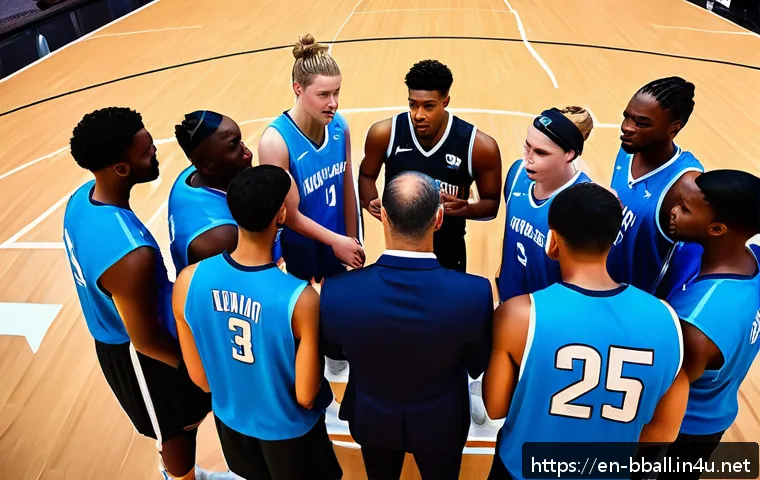
Whether you’re a player striving to overcome pressure or a fan curious about what sets elite athletes apart, the mindset behind the game holds fascinating insights.
Recent trends highlight how mental resilience and focus can dramatically transform performance on the court. Stick around as we dive into how psychology unlocks new levels of athletic excellence and changes the way basketball is played.
Building Mental Toughness for Game-Day Pressure
Understanding Stress Triggers on the Court
When the clock is winding down and the crowd is roaring, pressure can hit even the most seasoned players. From my own experience playing pickup games and watching professionals, I noticed that stress often comes from unrealistic expectations—whether self-imposed or from coaches and fans.
Recognizing these triggers is the first step toward managing them. It’s like knowing the enemy before battle; once you identify what causes your heart to race or your hands to shake, you can start developing strategies to stay calm and collected.
For many players, it’s not just about the physical fatigue but the mental weight of performing under scrutiny that affects their output.
Techniques to Cultivate Resilience
Resilience isn’t just a buzzword—it’s a muscle that needs constant training. I found that visualization is a powerful tool; picturing yourself nailing that free throw or defending a crucial play can build confidence before you even step on the court.
Breathing exercises and mindfulness practices also work wonders to regulate anxiety in high-stakes moments. Coaches increasingly incorporate mental drills alongside physical ones, and honestly, this holistic approach feels like a secret weapon.
The goal is to create a mental state where pressure transforms into focus rather than fear, allowing players to perform at their peak regardless of the scoreboard.
Real-Life Examples of Clutch Performers
Look at players like Damian Lillard or LeBron James—they’ve spoken openly about the mental game being just as important as their training regimen. What sets them apart is their ability to stay locked in during crunch time.
From my observations, their mental preparation includes routine, consistency, and a belief system that they can overcome any situation. This mindset is contagious; teammates feed off that energy, creating a collective resilience that often decides close games.
It’s fascinating how these mental habits ripple through a team’s dynamics, turning pressure-packed moments into opportunities for greatness.
How Focus Shapes Shooting Accuracy
The Science Behind Attention and Performance
Shooting a basketball might seem straightforward, but it’s a complex coordination of muscle memory and focused attention. Research shows that elite shooters enter a “flow state” where distractions fade, and every movement feels automatic.
From what I’ve practiced and witnessed, this intense focus sharpens hand-eye coordination and timing, dramatically improving accuracy. Distractions like crowd noise or internal doubts disrupt this focus, leading to missed shots.
That’s why mental drills that enhance concentration—like focusing on the rim or a specific spot on the backboard—are essential for shooters at all levels.
Training Focus Through Repetition and Routine
Repetition is the backbone of building reliable focus. I remember during my basketball days, the players who practiced free throws with the same pre-shot routine every time were far more consistent.
This routine acts as a mental anchor, calming nerves and setting the brain into a rhythm. Over time, this repetitive process trains the brain to automatically enter a focused state, even under pressure.
Coaches often emphasize routines to help players avoid “thinking too much” during shots, which can lead to overthinking and performance breakdowns.
Mindfulness Practices to Improve Concentration
Mindfulness isn’t just for meditation enthusiasts—it’s a practical tool for athletes. Incorporating brief mindfulness sessions into training has personally helped me stay present during games, preventing my mind from wandering to mistakes or future worries.
Techniques like mindful breathing or body scans help players tune into the moment, enhancing their sensory awareness and decision-making speed. Many pro teams now have sports psychologists guiding players through mindfulness, and the results are evident in how players maintain composure during intense gameplay.
Harnessing Confidence to Overcome Slumps
Recognizing the Mental Blocks Behind Slumps
Slumps aren’t just physical—they often stem from mental blocks such as self-doubt, fear of failure, or negative self-talk. I’ve been there, where one missed shot spiraled into a crisis of confidence.
Recognizing these patterns is crucial because mental blocks can freeze a player’s natural skills. They create a feedback loop of anxiety and poor performance, making it harder to break free without deliberate mental work.
Understanding that slumps are normal and temporary helps players to be kinder to themselves and open to mental reset strategies.
Strategies to Rebuild Confidence
Rebuilding confidence starts with small wins. Breaking down goals into manageable tasks, like hitting a certain number of shots in practice, can restore belief in one’s abilities.
Positive self-talk and affirmations also play a critical role—phrases like “I’ve trained for this” or “I am capable” can rewire the brain’s negative patterns.
From my experience, leaning on support systems—coaches, teammates, even family—provides encouragement that bolsters mental recovery. Confidence isn’t rebuilt overnight, but with patience and mental discipline, it returns stronger.
Using Data and Feedback for Motivation
In today’s data-driven basketball world, video analysis and performance stats offer objective feedback that can boost confidence. Watching footage to identify strengths rather than just flaws shifts the focus toward progress.
I found that tracking improvements, even minor ones, fuels motivation and helps maintain a growth mindset. It’s like having a scoreboard for your mental game, showing tangible evidence that hard work pays off.
This approach transforms the narrative from “I’m in a slump” to “I’m improving step by step.”
Team Dynamics and Collective Mindset
Building Trust and Communication
A team’s mental strength often hinges on trust and open communication. From being part of multiple squads, I’ve seen how players who trust each other create a positive feedback loop of encouragement and shared focus.
This trust allows players to take risks and support each other through mistakes without fear of judgment. Coaches who foster transparent communication channels tend to build mentally resilient teams that bounce back quickly from setbacks.
Trust isn’t built overnight but through consistent team-building efforts and shared experiences.
Aligning Individual and Team Goals
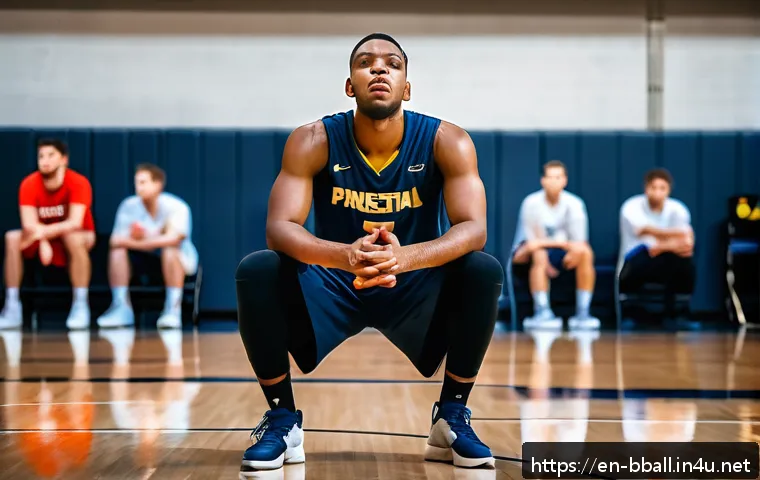
When players align their personal ambitions with team objectives, motivation and mental cohesion skyrocket. I’ve noticed that teams with clearly communicated goals perform better under pressure because everyone understands their role in the bigger picture.
This alignment reduces internal conflicts and distractions, allowing players to concentrate fully on the game. Coaches play a key role here, ensuring that individual talents complement the team’s strategy rather than compete against it.
Managing Collective Pressure in High-Stakes Games
Handling pressure as a team requires collective mental strategies. Techniques such as group breathing exercises, pre-game rituals, and shared visualization sessions create a unified mental state.
I recall a playoff series where the entire team adopted a mindfulness routine before tip-off, which noticeably calmed nerves and sharpened focus. Teams that master this collective mindset perform more consistently because pressure is diffused across the group, reducing individual mental burdens and enhancing overall resilience.
Visualization and Mental Rehearsal Techniques
How Visualization Enhances Performance
Visualization is like a mental dress rehearsal. By vividly imagining game scenarios, I found that players can prepare their minds for success before physical action occurs.
This mental practice builds neural pathways that mirror real movements, improving muscle memory and reaction times. Elite athletes often describe it as “seeing the shot before it happens.” Visualization primes the brain for peak performance and reduces uncertainty by familiarizing the mind with pressure situations.
Step-by-Step Mental Rehearsal Practices
Effective mental rehearsal involves breaking down plays or movements into detailed steps. For example, visualizing the bounce of the ball, the positioning of defenders, and the feeling of the shot going through the hoop.
Practicing these scenarios repeatedly enhances confidence and decision-making. From my coaching experience, guiding players through these detailed mental walkthroughs before games leads to smoother execution and fewer mental errors during play.
Incorporating Visualization into Daily Training
Incorporating visualization doesn’t require extra hours; it can be integrated into warm-ups or cooldowns. I’ve seen players spend just five minutes imagining successful plays or defensive stops, and it noticeably boosts mental readiness.
Pairing visualization with physical practice creates a powerful synergy that maximizes skill retention and mental clarity. Teams that prioritize this mental training often gain a competitive edge, especially in clutch moments where confidence and precision are paramount.
Emotional Regulation and Its Impact on Decision-Making
Recognizing Emotional Triggers
Emotions run high in basketball—frustration after a missed call, excitement from a big play, or anxiety in tight games. Identifying these emotional triggers is key to preventing impulsive decisions that can hurt the team.
I’ve noticed that players who pause to acknowledge their feelings rather than suppress them make smarter choices on the court. Emotional awareness is a skill that needs nurturing; it’s about being in tune with your body’s signals and reacting thoughtfully rather than reactively.
Techniques for Staying Composed
Techniques like controlled breathing, counting to five, or focusing on a physical sensation (like the feel of the ball) help players regain composure quickly.
I recall a personal moment where taking a deep breath between plays stopped my frustration from boiling over and allowed me to reset mentally. Coaches who teach these quick mental resets equip players with tools to maintain clarity, especially during chaotic moments.
This composure directly influences shot selection, passing decisions, and defensive positioning.
The Ripple Effect of Emotional Control on Team Performance
When one player maintains emotional control, it often stabilizes the entire team’s energy. I’ve witnessed games where a single composed teammate calmed a heated situation, allowing the group to refocus on execution rather than conflict.
This emotional leadership can be as valuable as scoring points because it preserves team cohesion and strategic clarity. Teams that master emotional regulation tend to outperform opponents in tight games where mental fatigue and stress peak.
| Mental Skill | Benefit | Common Techniques |
|---|---|---|
| Resilience | Better pressure management and recovery from setbacks | Visualization, mindfulness, positive self-talk |
| Focus | Improved shooting accuracy and decision-making | Pre-shot routines, flow state training, mindfulness |
| Confidence | Overcoming slumps and maintaining motivation | Goal setting, affirmations, video analysis |
| Team Cohesion | Enhanced communication and shared resilience | Trust building, aligned goals, collective rituals |
| Emotional Regulation | Smart decision-making under stress | Breathing exercises, emotional awareness, quick resets |
In Conclusion
Building mental toughness is a journey that combines self-awareness, consistent practice, and emotional control. By understanding stress triggers and applying proven techniques, players can transform pressure into performance. Remember, mental skills like focus, confidence, and resilience are just as crucial as physical training for success on the court. Embracing these strategies empowers athletes to handle game-day challenges with calm and clarity.
Helpful Information to Keep in Mind
1. Recognizing personal stress triggers is the first step to managing game-day pressure effectively.
2. Visualization and mindfulness are practical tools that enhance focus and reduce anxiety during critical moments.
3. Confidence can be rebuilt through small goals, positive affirmations, and supportive feedback.
4. Strong team dynamics, including trust and communication, boost collective mental resilience.
5. Emotional regulation techniques help players make smarter decisions and maintain team cohesion under stress.
Key Takeaways
Developing mental toughness is essential for athletic performance, especially in high-pressure situations. Consistent mental training—such as visualization, mindfulness, and routine building—strengthens focus and confidence. Teams thrive when individual goals align with shared objectives, fostering trust and open communication. Finally, mastering emotional control not only improves personal decision-making but also elevates overall team performance. Prioritizing these mental skills creates a solid foundation for sustained success on and off the court.
Frequently Asked Questions (FAQ) 📖
Q: uestions about Basketball PsychologyQ1: How does mental resilience impact a basketball player’s performance?
A: Mental resilience is a cornerstone of consistent basketball success. When players face intense pressure—like crucial free throws or tight game situations—those with strong mental resilience stay calm, focused, and confident.
From my experience watching and playing, resilient players recover quickly from mistakes instead of dwelling on them, which helps maintain peak performance throughout the game.
This mental toughness often separates good players from great ones because it allows them to perform under stress without faltering.
Q: What are some effective ways to improve focus during a basketball game?
A: Improving focus in basketball often comes down to training your mind just like you train your body. Techniques such as visualization—imagining successful plays before they happen—and controlled breathing exercises can center your attention and reduce anxiety.
Personally, I’ve found that routines before games, like listening to specific music or following a warm-up ritual, help lock in concentration. Also, breaking the game down into smaller, manageable moments keeps distractions at bay and helps you stay in the present.
Q: Can understanding basketball psychology help fans appreciate the game more?
A: Absolutely! Knowing the psychological battles players face—like managing pressure, staying motivated, or overcoming slumps—adds a whole new layer of appreciation.
It’s not just about physical skill; it’s about how players handle the mental side that makes the game thrilling. When fans understand these nuances, they can better grasp why some moments feel so intense and why certain players shine brightest when it matters most.
It turns watching basketball into a richer, more engaging experience.