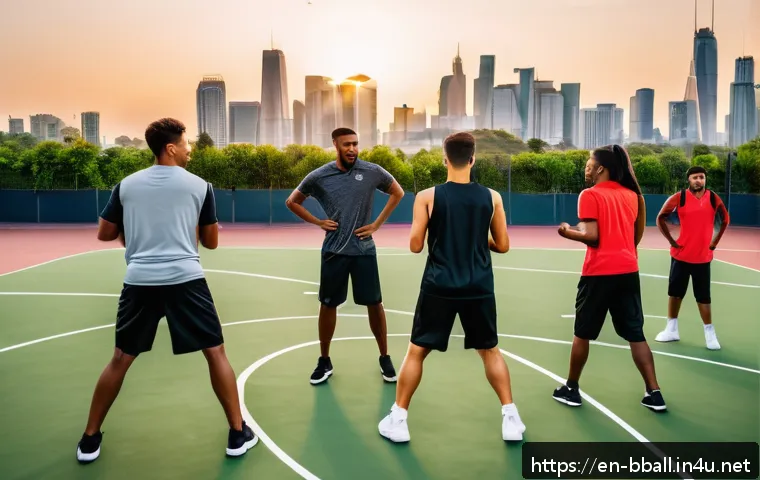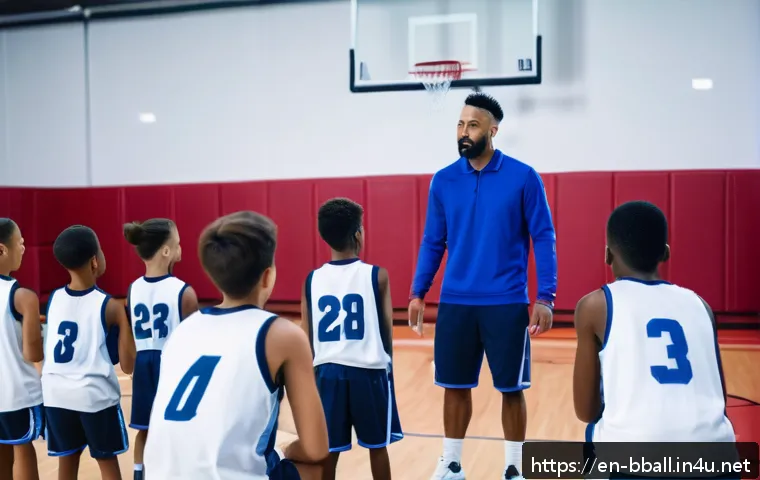
Finding the right basketball coach can be a game-changer, especially as the sport continues to evolve with new strategies and training techniques. Whether you’re aiming to sharpen your skills or take your performance to the next level, choosing a coach who truly understands your goals is essential.
With so many options out there, it’s easy to feel overwhelmed, but knowing what to look for can make all the difference. In today’s competitive basketball scene, the perfect coach isn’t just about experience—they bring motivation, personalized guidance, and a winning mindset.
Let’s dive into the top tips that will help you pick a coach who can elevate your game and keep you inspired every step of the way.
Understanding Coaching Styles and How They Impact Your Growth
Recognizing Different Coaching Philosophies
Choosing a basketball coach often begins with understanding their coaching philosophy. Some coaches emphasize a disciplined, defense-first approach, while others focus on fast-paced offense or skill development.
From my experience, working with a coach who aligns with your playing style and personality can make the journey smoother and more enjoyable. For example, if you thrive under structured guidance, a coach with a tactical, rule-oriented style will likely push you to improve efficiently.
On the other hand, if you prefer creativity and freedom on the court, a coach who encourages improvisation might be a better fit. These distinctions are critical because a mismatch can lead to frustration or stalled progress.
Adaptability: The Coach Who Evolves With You
Basketball is a dynamic sport, and so should be your coaching relationship. A great coach doesn’t just stick rigidly to one method but adapts based on your evolving skills and challenges.
I’ve noticed that coaches who frequently update their drills and game plans keep players motivated and engaged. They pay attention to your weaknesses without making you feel discouraged, and they celebrate your small victories, which is crucial for long-term improvement.
The ability to balance criticism with encouragement sets the best coaches apart and helps build trust.
How Communication Style Shapes Your Training Experience
Effective communication is often underrated but it’s one of the most important factors in choosing a coach. You want someone who can explain complex tactics in a way that makes sense to you, not just repeat buzzwords or technical jargon.
Personally, I’ve thrived with coaches who take time to listen and answer questions patiently. It builds confidence when you feel understood and supported rather than rushed through drills.
Plus, clear communication helps avoid misunderstandings that can slow down your development or lead to injuries.
Evaluating Credentials Beyond Just Years of Experience
Certifications and Professional Background
While years of coaching experience certainly matter, certifications and formal training reveal a coach’s commitment to their craft. A coach with recognized credentials from reputable organizations demonstrates that they’ve invested time in learning best practices and injury prevention.
I’ve found that certified coaches tend to have a broader knowledge base, especially around modern training techniques and sports psychology, which can be a game-changer for mental toughness.
Don’t hesitate to ask about these qualifications when interviewing potential coaches.
Track Record With Players at Your Level
Another way to assess a coach is by looking at their history with players similar to you. Have they successfully coached athletes aiming for college scholarships or competitive leagues?
A coach who understands the specific demands of your playing level can tailor training more effectively. When I was seeking advanced training, I asked about their previous players’ progress and was impressed by a coach who had helped multiple athletes secure college spots.
Their firsthand experience with the challenges at that level gave me confidence that they could push me appropriately.
Continuous Learning and Networking
The best coaches never stop learning. They attend clinics, follow the latest basketball trends, and connect with other professionals. This ongoing education shows they are passionate about delivering top-tier coaching.
From what I’ve seen, coaches who invest in their own growth bring fresh ideas to their sessions, which can keep your training from becoming stale. It’s worth checking if your potential coach participates in coaching communities or mentors younger coaches, as it reflects their dedication to the sport.
Personalized Training Plans That Match Your Goals
Assessing Your Strengths and Weaknesses
A coach who takes the time to evaluate your current skills and physical condition sets the stage for meaningful progress. When I started working with a new coach, they conducted detailed assessments that included shooting accuracy, agility tests, and even mental readiness.
This holistic approach helped identify areas needing improvement and prevented wasting time on irrelevant drills. Without this initial step, training can feel generic and less effective.
Setting Realistic Milestones and Tracking Progress
Having clear, attainable goals keeps motivation high. I’ve noticed that coaches who break down long-term goals into smaller milestones create a rewarding sense of achievement.
For example, improving free-throw percentage by 5% over a month or increasing vertical jump by two inches in six weeks. A coach who regularly tracks these metrics and adjusts the plan accordingly shows they care about your actual development, not just putting in hours on the court.
Balancing Skill Development With Physical Conditioning
Great basketball coaches understand the importance of combining skill drills with strength and conditioning. When I trained with a coach who integrated gym work into the routine, I saw noticeable gains in endurance and explosiveness.
They also emphasized injury prevention exercises, which kept me playing consistently. This balanced approach is especially vital for players looking to compete at higher levels where physical demands intensify.
Building a Motivational Environment That Fuels Your Passion
Creating Positive Reinforcement Cycles
Motivation can wane, especially during tough training phases. A coach who knows how to lift your spirits and celebrate progress makes a huge difference.
I remember one coach who always highlighted even the smallest improvements, which made me feel valued and eager to push harder. Positive reinforcement builds confidence and resilience, helping you bounce back from setbacks more quickly.
Fostering a Team-Oriented Mindset
Even if you’re training individually, a coach who encourages a sense of belonging can enhance your experience. Coaches who organize group sessions or scrimmages build camaraderie that keeps you accountable and makes practice more fun.
I found that this social aspect reduces burnout and keeps me coming back to the court regularly.
Handling Pressure and Building Mental Toughness
Basketball isn’t just physical; it’s a mental game. Coaches who teach coping strategies for pressure situations—like visualization techniques or breathing exercises—prepare you to perform under stress.
I’ve personally benefited from a coach who emphasized mental preparation before games, which helped me stay calm and focused during critical moments.
Practical Considerations: Logistics, Compatibility, and Cost
Location and Scheduling Flexibility
It’s easy to overlook, but where and when your coach trains you can significantly affect consistency. I once had to switch coaches because the commute became too time-consuming, which disrupted my routine.
Coaches who offer flexible hours or multiple training locations make it easier to stick to your schedule, especially if you juggle school or work.
Personality Fit and Communication Chemistry
Compatibility goes beyond skill sets—it’s about how well you connect with your coach on a personal level. I’ve seen players quit despite technical improvements simply because they didn’t feel comfortable or respected by their coach.
Trust your gut: if a coach’s style feels overly harsh or dismissive, it might not be worth the stress, even if they’re technically skilled.
Cost Versus Value: Making Smart Investments
Coaching fees vary widely, and it’s tempting to go for the cheapest option. However, I’ve learned that investing in a quality coach often pays off by accelerating your progress and reducing injury risk.
Consider what you’re getting for your money: personalized plans, ongoing support, access to facilities, or video analysis. Sometimes, paying a bit more upfront saves time and frustration down the road.
| Factor | What to Look For | Why It Matters |
|---|---|---|
| Coaching Philosophy | Style matches your personality and goals | Ensures training is enjoyable and effective |
| Experience & Credentials | Relevant certifications and proven track record | Shows expertise and reliability |
| Communication | Clear, patient, and supportive | Builds trust and understanding |
| Personalized Training | Custom plans with measurable milestones | Maximizes skill development |
| Motivation Techniques | Positive reinforcement and mental coaching | Keeps you committed and resilient |
| Logistics & Cost | Convenient location, schedule, and fair pricing | Supports consistent training without stress |
Leveraging Technology and Analytics for Smarter Training
Using Video Analysis to Spot Improvement Areas
Modern coaching increasingly incorporates video playback to break down your movements and tactics. I found this tool invaluable because seeing yourself in action reveals flaws you might not feel during play.
Coaches who use video can provide precise feedback on shooting form, footwork, or defensive positioning, making corrections more targeted and effective.
Wearables and Data Tracking
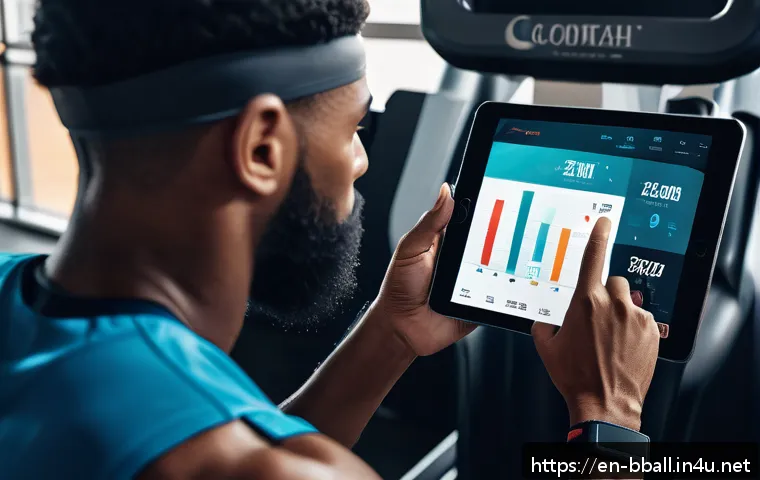
Wearable tech like heart rate monitors and GPS trackers offer insights into your fitness and workload. A coach who integrates this data can tailor sessions to avoid overtraining or underperformance.
From personal experience, having objective numbers helped me push harder on days when I felt tired but was actually ready to train, and rest when I needed it most.
Apps and Online Resources for Continuous Learning
Top coaches often recommend drills, nutrition tips, or mental exercises through apps or online platforms, enabling you to stay on track outside of practice.
This extra support shows a commitment to your overall growth and makes it easier to maintain discipline. I appreciated when my coach sent me weekly video drills I could do at home, which accelerated my improvement between sessions.
Establishing a Long-Term Partnership for Continuous Success
Regular Feedback and Goal Reassessment
A coach who schedules frequent check-ins and revisits your goals ensures you don’t plateau. I’ve worked with coaches who adjusted my training plan every few weeks based on performance and motivation levels, which kept things fresh and challenging.
This ongoing dialogue fosters a growth mindset and prevents stagnation.
Building Mutual Respect and Accountability
The best coach-player relationships thrive on respect from both sides. When you hold yourself accountable and your coach respects your effort and boundaries, progress comes naturally.
From my experience, this balance prevents burnout and builds a strong foundation for success.
Planning Beyond the Court
Elite coaches also consider your lifestyle, nutrition, rest, and mental health. They understand that off-court habits directly impact performance. I noticed improvements in my stamina and focus when my coach guided me on sleep routines and recovery strategies.
This holistic approach is often what separates good players from great ones.
In Closing
Choosing the right coach can profoundly shape your basketball journey. Understanding different coaching styles, assessing credentials, and finding a good personal fit will help you grow both on and off the court. Remember, the best coaching relationships combine skill development, motivation, and holistic support to unlock your full potential. Keep these factors in mind as you seek a coach who truly matches your needs and ambitions.
Useful Information to Keep in Mind
1. A coach’s philosophy should resonate with your playing style and personality to ensure a positive and productive experience.
2. Certifications and a proven track record indicate a coach’s expertise and dedication to ongoing learning.
3. Clear and empathetic communication builds trust and accelerates your development.
4. Personalized training plans with measurable goals maximize your progress and keep you motivated.
5. Considering logistics like location, schedule flexibility, and cost helps maintain consistent training without added stress.
Key Takeaways
Finding the ideal coach is about more than just experience; it’s about compatibility, adaptability, and a genuine commitment to your growth. Look for someone who balances technical skills with emotional support, uses technology to enhance training, and fosters a motivating environment. Prioritize coaches who invest in your long-term success by providing continuous feedback and considering all aspects of your performance, including mental and physical health. This holistic approach will help you achieve sustained improvement and enjoy your basketball journey to the fullest.
Frequently Asked Questions (FAQ) 📖
Q: How do I know if a basketball coach is the right fit for my skill level and goals?
A: Finding the right coach starts with clear communication about your personal goals and current skill level. A great coach will take the time to understand where you are and where you want to go, then tailor their training approach accordingly.
During initial meetings or trial sessions, observe how they provide feedback—do they challenge you while keeping encouragement high? Coaches who balance motivation with personalized guidance often help players improve faster and stay inspired.
If a coach seems to push you too hard without considering your development pace, or if they don’t seem interested in your specific goals, it might be worth exploring other options.
Q: What qualities should I prioritize when choosing a basketball coach?
A: Experience is important, but the best coaches bring more than just a resume. Look for someone who demonstrates strong communication skills, a positive attitude, and adaptability.
A coach who stays updated on the latest training techniques and game strategies shows commitment to your growth. Also, consider their ability to motivate and connect on a personal level—this relationship often makes the difference between a good and a great coaching experience.
From my own journey, coaches who combined technical expertise with genuine encouragement helped me push past plateaus and build confidence on the court.
Q: Is it necessary to choose a coach with professional playing experience?
A: While having a coach with professional playing experience can be a bonus, it’s not always essential. What truly matters is their ability to teach, motivate, and develop your skills.
Some of the best coaches I’ve worked with were not former pros but had deep knowledge, strong teaching skills, and a passion for player development. They understood how to break down complex techniques and make training engaging.
Ultimately, the right coach is someone who can connect with you, understands your goals, and helps you grow, regardless of their playing background.