Hey basketball enthusiasts! With the season heating up and players pushing their limits, staying injury-free has never been more crucial. Whether you’re hitting the court for intense games or casual pick-up matches, a solid stretching routine can make all the difference in your performance and recovery.
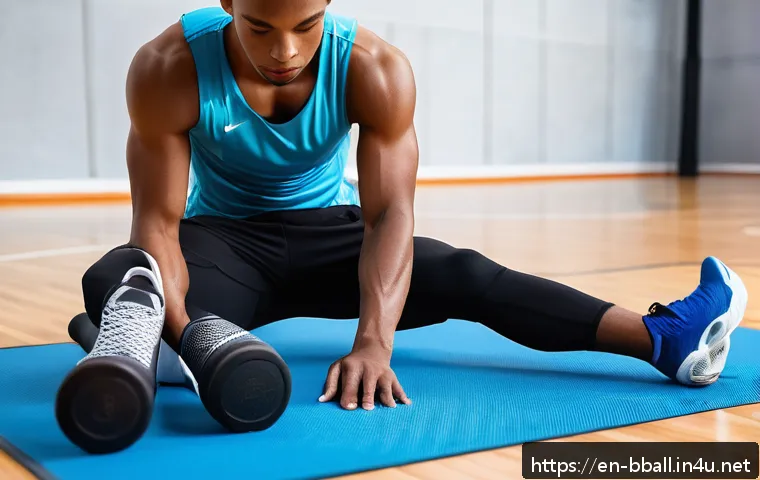
I’ve recently discovered a game-changing basketball stretching flow that not only boosts flexibility but also helps prevent those nagging injuries. Stick around as I break down this essential routine that’s perfect for unlocking your peak performance and keeping you in the game longer.
You won’t want to miss these tips!
Dynamic Warm-Ups to Kickstart Your Game
Activating Key Muscle Groups
When stepping onto the basketball court, it’s essential to prime your muscles for the explosive movements ahead. Dynamic warm-ups like leg swings, arm circles, and walking lunges help increase blood flow and activate the muscles you’ll rely on during the game.
I usually start with leg swings to loosen up my hip flexors and hamstrings—it feels like unlocking tight chains that have been holding me back. This activation phase not only prepares your muscles but also sharpens your nervous system for quicker reaction times, which can be a game-changer in those fast breaks or tight defensive plays.
Incorporating Movement-Based Stretching
Unlike static stretching, movement-based stretches mimic the motions you’ll perform on the court. For example, deep squats combined with torso twists engage your lower body and core simultaneously, enhancing your balance and stability.
I found that these stretches made my lateral cuts smoother and less stiff. Movement-based stretching also helps maintain joint mobility, which is crucial for preventing injuries like ankle sprains or knee strains, especially when you’re pushing hard during intense plays.
Gradual Intensity Increase
It’s tempting to jump straight into high-intensity drills, but gradually increasing the intensity during your warm-up can save you from strains. Start with slow jogging or light jump rope sessions before transitioning to more dynamic drills.
Personally, this approach helped me avoid the tightness I used to get in my calves after aggressive sprints. This gradual buildup ensures your muscles and tendons are ready to handle the stresses of the game without risking tears or pulls.
Essential Static Stretches for Post-Game Recovery
Focusing on Muscle Groups Under Stress
After a tough game or practice, your muscles need attention to recover properly. Static stretches targeting the calves, quads, hamstrings, and lower back are vital.
Holding each stretch for at least 30 seconds helps lengthen the muscle fibers and reduce soreness. I noticed that dedicating time to hamstring stretches post-game significantly reduced my stiffness the next day, making it easier to get back on the court.
Enhancing Flexibility Over Time
Consistently incorporating static stretching into your routine can improve your overall flexibility, which directly impacts your range of motion and injury prevention.
For basketball players, flexible hips and ankles can mean the difference between a clean shot and a strained muscle. From personal experience, my ankle flexibility improved noticeably after committing to a daily stretching habit, which helped me land more confidently after jumps.
Breathing Techniques to Maximize Benefits
Don’t underestimate the power of deep, controlled breathing while stretching. It helps your muscles relax and increases oxygen flow, which promotes healing and reduces tension.
When I pair slow breathing with my stretches, I feel more centered and less rushed, which makes the recovery process feel more effective and soothing.
Targeted Mobility Drills to Boost Court Agility
Hip Mobility for Explosive Movements
Your hips are the powerhouse of your basketball movements, from sudden pivots to powerful jumps. Mobility drills like hip circles and figure-four stretches improve joint range and reduce the risk of strains.
After adding these drills, I noticed my lateral movements became quicker and less painful, especially during defensive shifts. Keeping hips mobile is a must-have in any basketball stretching routine.
Ankle Mobility for Stability
Strong and flexible ankles are crucial for maintaining balance and preventing injuries like sprains. Simple drills such as ankle rotations and heel-to-toe walks can dramatically improve your ankle’s range of motion.
I found that focusing on ankle mobility reduced my instances of rolling my ankle, which was a persistent issue before I started these drills.
Spine and Shoulder Mobility for Shooting and Passing
Don’t forget your upper body—spine and shoulder mobility drills help maintain fluid shooting and passing mechanics. Exercises like thoracic spine rotations and shoulder openers enhance your ability to twist and extend your arms without strain.
Personally, these drills have made my shot follow-through smoother and less stiff, which boosted my shooting accuracy over time.
Injury Prevention Strategies Embedded in Stretching
Recognizing Muscle Imbalances
Many injuries stem from muscle imbalances, where one muscle group is stronger or tighter than its counterpart. A well-rounded stretching routine targets both sides equally to maintain balance.
For example, if your quads are tight but your hamstrings are weak, you’re more prone to knee injuries. I’ve experienced this firsthand and found that balancing stretches between opposing muscle groups helped me avoid nagging knee pain.
Consistency Over Intensity
Stretching isn’t about pushing to the extreme every session; it’s about consistent, moderate effort. Overstretching can lead to microtears and setbacks.
I learned this the hard way after trying to force deep stretches too quickly. Now, I focus on daily, manageable stretches that keep my muscles supple without overloading them.
Listening to Your Body’s Signals
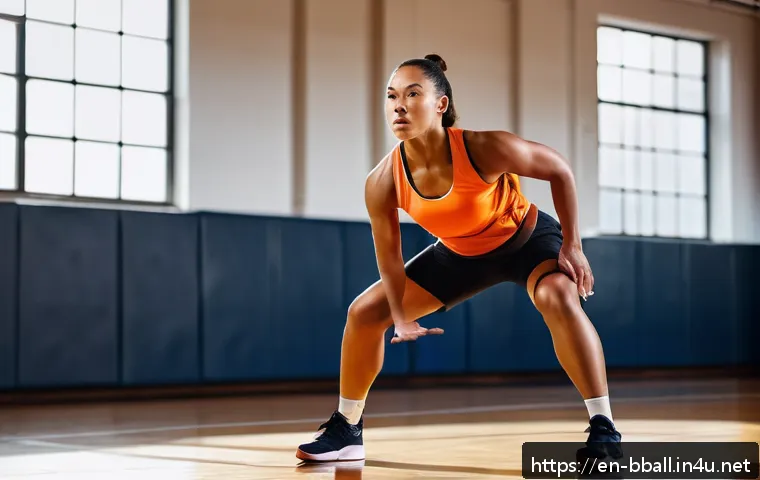
Pain during stretching is a red flag. It’s important to differentiate between discomfort from muscle tension and actual pain signaling injury. When I started paying closer attention to my body’s feedback, I prevented minor issues from escalating.
Adjusting stretches to what feels right rather than sticking rigidly to a routine can be the difference between playing through the season or sitting on the sidelines.
Integrating Foam Rolling for Enhanced Muscle Recovery
Targeting Tight Spots Effectively
Foam rolling complements stretching by breaking up muscle knots and improving blood flow. Rolling out your calves, IT bands, and glutes before or after stretching can deepen the effectiveness of your routine.
From experience, foam rolling my tight calves before games made a noticeable difference in my sprinting ability and reduced cramping.
Timing Foam Rolling Sessions
Using a foam roller right after a game or intense practice session helps flush out lactic acid buildup and speeds recovery. I usually dedicate 10 minutes post-game to rolling, which helps me feel less sore the next day.
However, avoid rolling sore or injured muscles aggressively, as it can exacerbate inflammation.
Combining with Stretching for Maximum Benefit
Pairing foam rolling with static and dynamic stretches creates a synergistic effect. Foam rolling loosens muscle fibers, allowing stretches to go deeper and be more effective.
This combination has become a staple in my routine, and I’ve noticed quicker recovery times and improved flexibility since adopting it.
Practical Routine Breakdown and Timing Recommendations
Balancing Warm-Up, Play, and Cool-Down
A balanced routine means spending adequate time warming up, playing, and cooling down. I recommend at least 10 minutes of dynamic warm-ups, focusing on movement and activation, followed by the game or practice, and then 15 minutes of static stretching and foam rolling for recovery.
This balance ensures your body is prepared, performs well, and recovers efficiently.
Sample Weekly Stretching Schedule
Implementing a structured schedule helps maintain consistency without burnout. Here’s an example I followed that worked wonders:
| Day | Focus | Duration | Key Activities |
|---|---|---|---|
| Monday | Dynamic Warm-Up + Mobility | 20 min | Leg swings, hip circles, ankle mobility drills |
| Tuesday | Static Stretching + Foam Rolling | 25 min | Hamstring stretches, calf rolls, quads stretches |
| Wednesday | Active Recovery | 15 min | Light jogging, deep breathing, gentle stretches |
| Thursday | Dynamic Warm-Up + Mobility | 20 min | Walking lunges, torso twists, shoulder openers |
| Friday | Static Stretching + Foam Rolling | 25 min | IT band rolls, spine rotations, ankle stretches |
| Saturday | Game Day Prep | 15 min | Dynamic warm-up, light mobility drills |
| Sunday | Rest or Light Stretching | 10 min | Gentle full-body stretches |
Adjusting Based on Personal Needs
Everyone’s body responds differently, so it’s important to tweak your routine based on how you feel. On days when you feel extra tight or fatigued, extending your stretching and foam rolling sessions can be beneficial.
Conversely, if you feel loose and ready, focus more on activation and mobility drills. I found that listening to my body and adjusting accordingly helped me stay injury-free and perform at my best throughout the season.
Wrapping Up
Incorporating dynamic warm-ups, targeted mobility drills, and proper stretching routines can significantly elevate your basketball performance and reduce injury risk. From my own experience, staying consistent and listening to your body are key to long-term success on the court. Remember, preparing your muscles before play and caring for them afterward makes all the difference in how you feel and perform.
Helpful Tips to Keep in Mind
1. Always start with dynamic movements to activate muscles and improve reaction time before jumping into intense drills.
2. Use movement-based stretches that mimic basketball motions to enhance balance and prevent stiffness during play.
3. Gradually increase intensity during warm-ups to avoid muscle strains and improve readiness.
4. Combine foam rolling with stretching to break down tight spots and speed up recovery effectively.
5. Listen carefully to your body’s signals—adjust your routine to avoid pain and maintain consistent progress.
Key Takeaways for Optimal Performance
Prioritize balanced routines that address both warm-up and recovery phases to keep your body primed and resilient. Consistency in stretching and mobility work prevents muscle imbalances and supports injury prevention. Avoid pushing too hard too fast; moderate, regular effort yields better long-term results. Finally, integrating breathing techniques and foam rolling enhances relaxation and recovery, making your training more effective and sustainable.
Frequently Asked Questions (FAQ) 📖
Q: uestions about Basketball Stretching RoutineQ1: How often should I do this basketball stretching routine to see improvements in flexibility and injury prevention?
A: Ideally, you want to incorporate this stretching flow into your daily routine, especially on game days and training days. Doing it consistently—at least 4 to 5 times a week—can significantly enhance your flexibility and reduce the risk of injuries.
From my own experience, even a quick 10-minute session before and after playing made a noticeable difference in how my muscles felt and recovered.
Q: Can this stretching routine help if I’m already dealing with minor basketball-related injuries like tight hamstrings or sore knees?
A: Yes, but with caution. This routine focuses on gentle, dynamic stretches that promote blood flow and muscle relaxation, which can aid recovery. However, if you’re experiencing sharp pain or severe discomfort, it’s best to consult a healthcare professional before proceeding.
When I had tight hamstrings last season, modifying the stretches to be less intense while still moving regularly helped me bounce back faster without aggravating the injury.
Q: Do I need any special equipment or space to perform this basketball stretching flow effectively?
A: Not at all! One of the best parts about this routine is its simplicity—you only need a little open space, like a gym floor or even your living room. No fancy gear required.
I often do these stretches right on the court before games or even in my apartment when the weather’s bad. Just wear comfortable clothes and maybe have a mat if you prefer some cushioning for floor stretches.