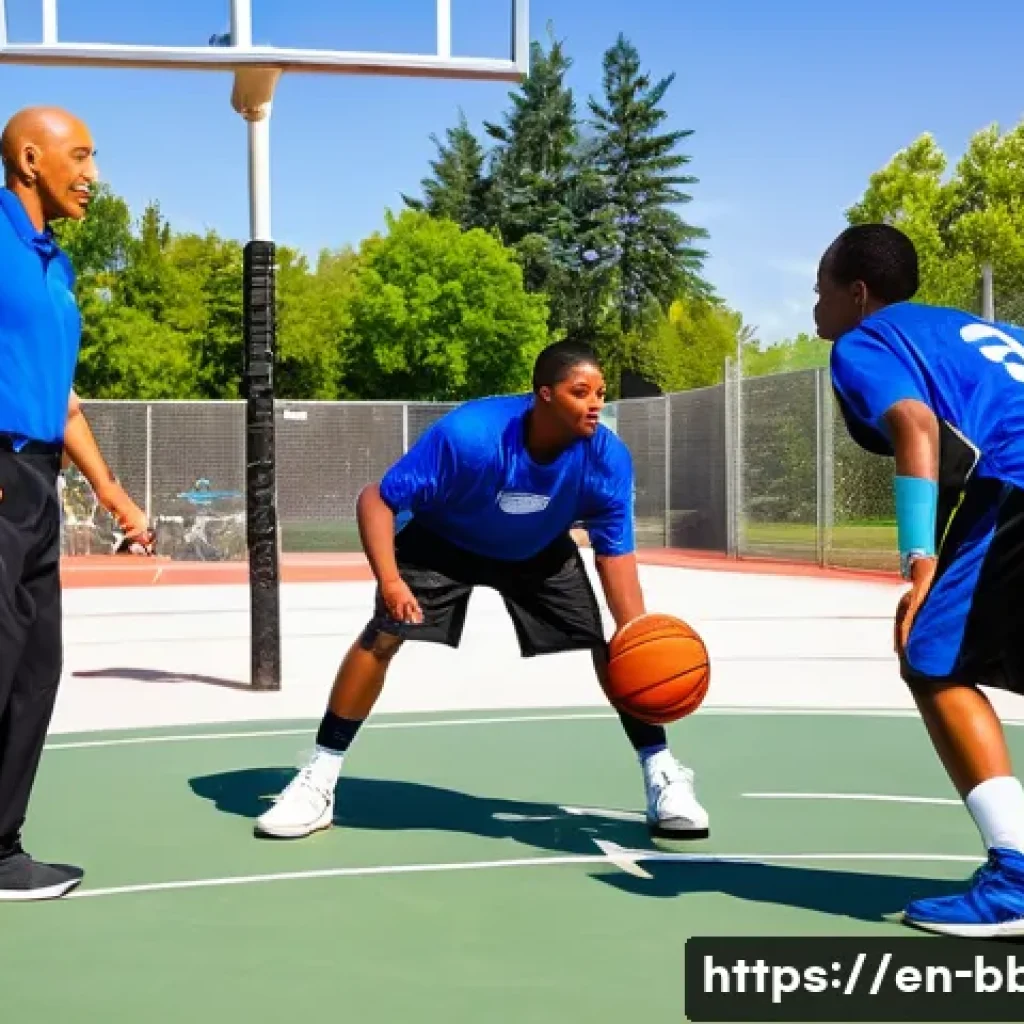
Joining a basketball league can be an exciting way to boost your skills, meet new people, and stay active. Whether you’re a beginner or a seasoned player, understanding the participation requirements is key to finding the right fit for you.
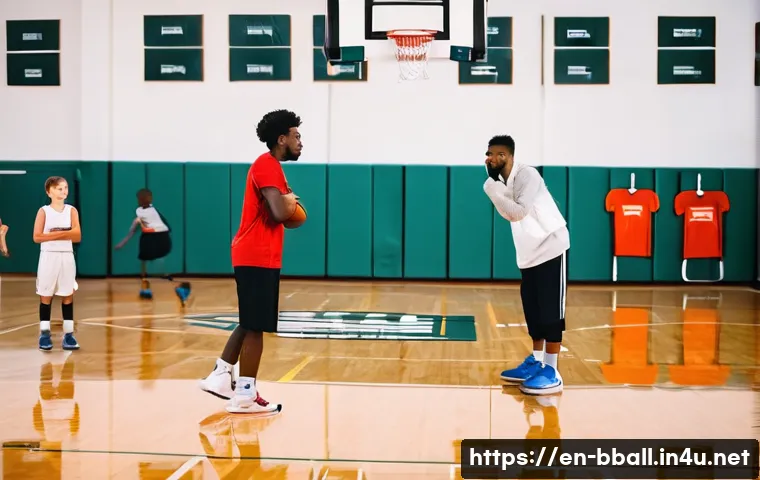
Leagues often have specific age brackets, skill levels, and registration deadlines to keep the competition fair and organized. Plus, some might require equipment or health clearances before you hit the court.
Getting these details right will help you make the most of your basketball experience. Let’s dive deeper and explore exactly what you need to know to get started!
Understanding Age and Skill Level Divisions
How Age Groups Shape League Structure
Many basketball leagues organize players into distinct age brackets to ensure fair and balanced competition. For example, youth leagues might separate players into under-12, under-15, and under-18 categories, while adult leagues often have divisions like 18-30, 31-45, and 46+.
This segmentation helps prevent mismatches where younger or less physically developed players face off against much older or stronger opponents. From personal experience, joining a league that matched my age group made the games more enjoyable and the competition more appropriate for my abilities.
Before signing up, always check the league’s age policy—some allow players to “play up” in older brackets, but this depends on their rules.
Skill Levels: From Rookie to Advanced
Skill-based divisions are another crucial piece of the puzzle. Leagues often classify players as beginner, intermediate, or advanced, sometimes using tryouts or self-assessment forms.
This approach balances the playing field by grouping players with similar basketball experience and talent. When I first started playing in an adult league, I appreciated how this system prevented overwhelming mismatches—jumping into an advanced group too soon can be discouraging.
Don’t hesitate to ask league organizers about how they evaluate skill levels; some leagues even offer clinics or practice sessions to help players improve before the season starts.
Combining Age and Skill for Optimal Play
The best leagues combine age brackets with skill divisions, creating a matrix that ensures players face competitors who are both similarly aged and equally skilled.
This dual-layered system often results in more competitive and fun games. For instance, a 25-year-old beginner won’t be matched against a 35-year-old advanced player, which helps maintain safety and enjoyment.
Some leagues also allow for flexibility, such as open divisions where age or skill is less restrictive, catering to players who want a more casual or challenging experience.
Personally, I found this combination essential to staying motivated and improving my game while having fun.
Essential Registration Details and Deadlines
Why Timely Registration Matters
Registering on time is more than just a formality; it secures your spot and helps organizers plan teams and schedules effectively. Many popular leagues fill up quickly, especially in peak seasons, so procrastinating can mean missing out entirely.
I’ve learned this the hard way—waiting too long once left me on a waitlist, which was frustrating. Besides, early registration often comes with perks like discounted fees or access to pre-season training sessions.
Always mark the registration deadline on your calendar and set reminders to avoid last-minute stress.
Required Documentation and Health Clearances
Some leagues require players to submit health clearances or proof of insurance before stepping onto the court. This is particularly common in competitive or contact leagues where injury risk is higher.
A recent physical exam or a signed waiver might be necessary. When I joined a league with these requirements, I appreciated how it ensured everyone was physically ready and minimized liability for the organizers.
If you have any pre-existing conditions, be upfront with league staff to get guidance on participation or accommodations.
Registration Fees and Payment Options
Most leagues charge a registration fee that covers court rental, referees, and sometimes uniforms or trophies. Fees can range from $50 for casual community leagues to several hundred dollars for highly competitive or club-level leagues.
Some leagues offer payment plans or early bird discounts, which can be a big help financially. When budgeting, consider not just the registration fee but also potential costs for gear, transportation, and extra practices.
I always find it useful to clarify refund policies too—life happens, and knowing your options in case of injury or schedule conflicts is reassuring.
Mandatory Equipment and Gear Expectations
Basic Gear Requirements
At minimum, most leagues expect players to have proper basketball shoes that provide ankle support and good traction. Wearing the right shoes not only improves your performance but also greatly reduces injury risks.
Beyond shoes, comfortable athletic wear is a must, and some leagues specify uniform colors or provide jerseys. When I first joined a league, investing in good shoes made a noticeable difference in my mobility and confidence on the court.
Don’t skimp on this—it’s a game changer.
Additional Protective Gear
Depending on the level of play and league rules, you might need extra protective equipment such as mouthguards, knee pads, or ankle braces. High-contact leagues tend to enforce stricter gear standards to protect players from common injuries.
I’ve personally started using a mouthguard after a minor dental scare and noticed it didn’t interfere with my breathing or communication during games.
Checking the league’s equipment policy before game day can save you from last-minute surprises and keep you safe.
Personal vs. Provided Equipment
Some leagues supply essentials like game balls and score sheets, but personal items like water bottles, towels, and personal first aid kits are usually your responsibility.
Bringing your own gear can help you stay comfortable and prepared during games. I always carry a small kit with band-aids, ice packs, and electrolyte drinks, which comes in handy when games get intense or if minor injuries occur.
Being proactive about your equipment needs enhances your overall experience and readiness.
Health and Safety Protocols to Know
Medical Clearance and Physical Fitness
Many leagues require players to confirm they are in good health before participation. This might involve a signed statement or an actual physical examination, especially for adult or competitive leagues.
The goal is to reduce the risk of sudden injuries or health emergencies during play. Personally, I found that having a recent physical not only fulfilled league requirements but also gave me confidence in my fitness level.
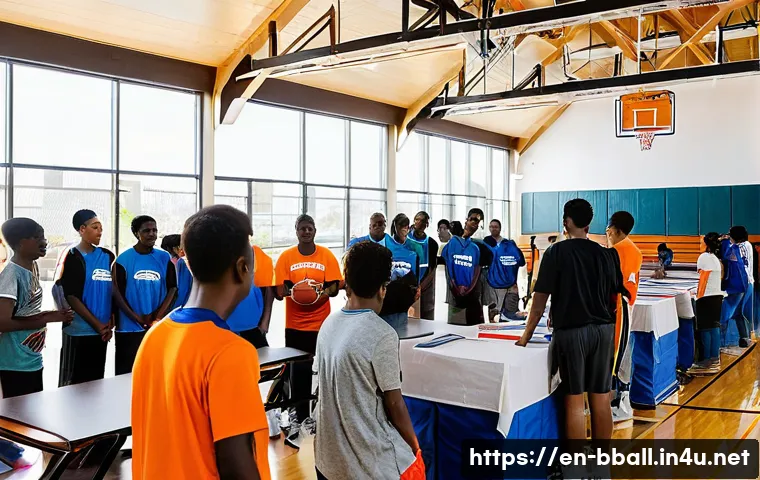
If you’re returning from injury, getting clearance ensures you don’t push yourself too hard too soon.
COVID-19 and Other Health Measures
Even as many restrictions have eased, some leagues maintain health protocols like mask recommendations, vaccination proof, or symptom checks to keep players safe.
These rules vary widely depending on local guidelines and the league’s preferences. I’ve seen leagues successfully implement staggered game times and limited spectators to minimize crowding.
Staying informed about these protocols before joining a league helps you prepare mentally and physically for game day.
Emergency Action Plans
It’s reassuring when leagues have clear procedures for handling injuries or emergencies during games. This includes access to first aid kits, trained personnel, and nearby medical facilities.
When I played in a league with a dedicated safety officer on-site, it made a huge difference in how quickly injuries were addressed and how secure everyone felt.
Don’t hesitate to ask league organizers about their emergency plans—knowing that help is readily available allows you to focus on playing your best.
Typical Commitment and Game Schedule Expectations
Practice Frequency and Duration
Leagues vary widely in how often they expect players to attend practices. Some casual leagues only require attendance at weekly games, while competitive leagues might schedule multiple weekly practices.
From my experience, consistent practice is crucial for team chemistry and personal improvement but balancing it with your other commitments is equally important.
Make sure you understand the time commitment before joining to avoid burnout or conflicts.
Game Days and Timing
Most leagues hold games during evenings or weekends to accommodate working adults and students. Games typically last between 60 to 90 minutes, including warm-ups and halftime.
I’ve noticed that knowing the exact schedule upfront helps me plan my week better and keeps me excited for game day. Some leagues also organize playoffs or tournaments at the season’s end, which can add more games and require extra time.
Attendance and Participation Policies
Reliable attendance is often a requirement, especially in competitive leagues where missing games can affect team performance. Some leagues have penalties for no-shows or require notification ahead of time for absences.
I’ve found that clear communication with teammates and coaches about availability strengthens trust and team spirit. If your schedule is unpredictable, consider a league with more flexible attendance policies to keep the experience enjoyable.
How to Choose the Right League for You
Evaluating Your Personal Goals
Before jumping into any league, reflect on what you want out of the experience. Are you looking to sharpen your skills, meet new friends, or just stay active?
Different leagues cater to different priorities—some focus heavily on competition, others on socializing and fun. When I first started, I joined a recreational league because my main goal was to have fun and meet people, which shaped my expectations and commitment level.
Researching League Reputation and Reviews
Word of mouth and online reviews can provide valuable insights into how a league operates and what you can expect. Look for feedback on organization quality, refereeing standards, and overall player satisfaction.
I once switched leagues after hearing consistent complaints about poor scheduling and unprofessional referees, which ultimately improved my playing experience.
Don’t hesitate to reach out to current or past players to get an honest perspective.
Assessing Location and Accessibility
Practical factors like the league’s location and facility quality matter a lot. Playing close to home or work reduces travel stress and increases your chances of regular attendance.
Facilities with good lighting, clean courts, and ample parking add to your comfort and enjoyment. Personally, I prioritize leagues with modern gyms and easy access to public transportation, which makes juggling basketball with my daily routine much easier.
| Requirement | Typical Details | Why It Matters |
|---|---|---|
| Age Brackets | Under-12, Under-15, 18-30, 31-45, 46+ | Ensures fair competition and safety |
| Skill Levels | Beginner, Intermediate, Advanced | Matches players with similar abilities |
| Registration Deadlines | Varies by league; often 2-4 weeks before season start | Secures your spot and allows planning |
| Health Clearances | Physical exams, waivers, insurance proof | Ensures player fitness and reduces liability |
| Equipment | Basketball shoes, mouthguards, uniforms | Safety and performance enhancement |
| Practice & Game Schedule | 1-3 practices/week; games on evenings/weekends | Time commitment and team cohesion |
Wrapping Up
Choosing the right basketball league involves understanding how age and skill levels shape competition, knowing essential registration details, and preparing with the proper equipment. These factors not only ensure a safer and more enjoyable experience but also help you grow as a player. By planning ahead and selecting a league that fits your goals and schedule, you’ll get the most out of every game and practice.
Helpful Tips to Keep in Mind
1. Always verify the league’s age and skill divisions to find the best fit for your level and safety.
2. Register early to secure your spot and take advantage of any discounts or pre-season events.
3. Invest in quality basketball shoes and protective gear to enhance performance and reduce injury risk.
4. Stay informed about health protocols and emergency procedures to play confidently and safely.
5. Communicate openly with your team about attendance and availability to maintain good chemistry and avoid penalties.
Key Takeaways
Understanding how leagues organize players by age and skill ensures fair and competitive play. Timely registration with proper documentation is crucial for smooth participation. Equipping yourself with the right gear and staying aware of health and safety protocols protects your well-being. Finally, choosing a league that matches your goals and lifestyle leads to a rewarding and lasting basketball experience.
Frequently Asked Questions (FAQ) 📖
Q: What are the typical age and skill level requirements for joining a basketball league?
A: Most basketball leagues categorize players by age groups and skill levels to ensure fair play. For example, you might find leagues for youth (under 18), adults (18+), and even seniors.
Skill levels often range from beginner and recreational to competitive or advanced. When signing up, leagues usually ask you to self-assess or sometimes hold tryouts to place you appropriately.
It’s a good idea to check the league’s website or contact organizers directly to find the division that matches your experience and comfort level.
Q: Are there any specific deadlines or paperwork I need to be aware of before joining a league?
A: Absolutely. Registration deadlines can vary widely depending on the league’s season schedule, so missing these can mean waiting months for the next opportunity.
Most leagues require you to complete registration forms, provide emergency contacts, and sometimes submit a health clearance or waiver. This is especially important if the league is competitive or part of a larger sports organization.
Preparing your documents ahead of time and signing up early not only secures your spot but also reduces stress before the season starts.
Q: Do I need to bring my own equipment or have a medical clearance before participating?
A: In many recreational leagues, you’re expected to bring your own basketball shoes and appropriate athletic wear. Some leagues provide basketballs and jerseys, but it’s best to confirm beforehand.
Regarding medical clearance, while not always mandatory, leagues that emphasize safety or have higher intensity play often require a doctor’s note confirming you’re fit to participate.
From my experience, having a quick health checkup beforehand can save you from unexpected issues and shows you’re taking your health seriously, which is especially reassuring for league organizers.