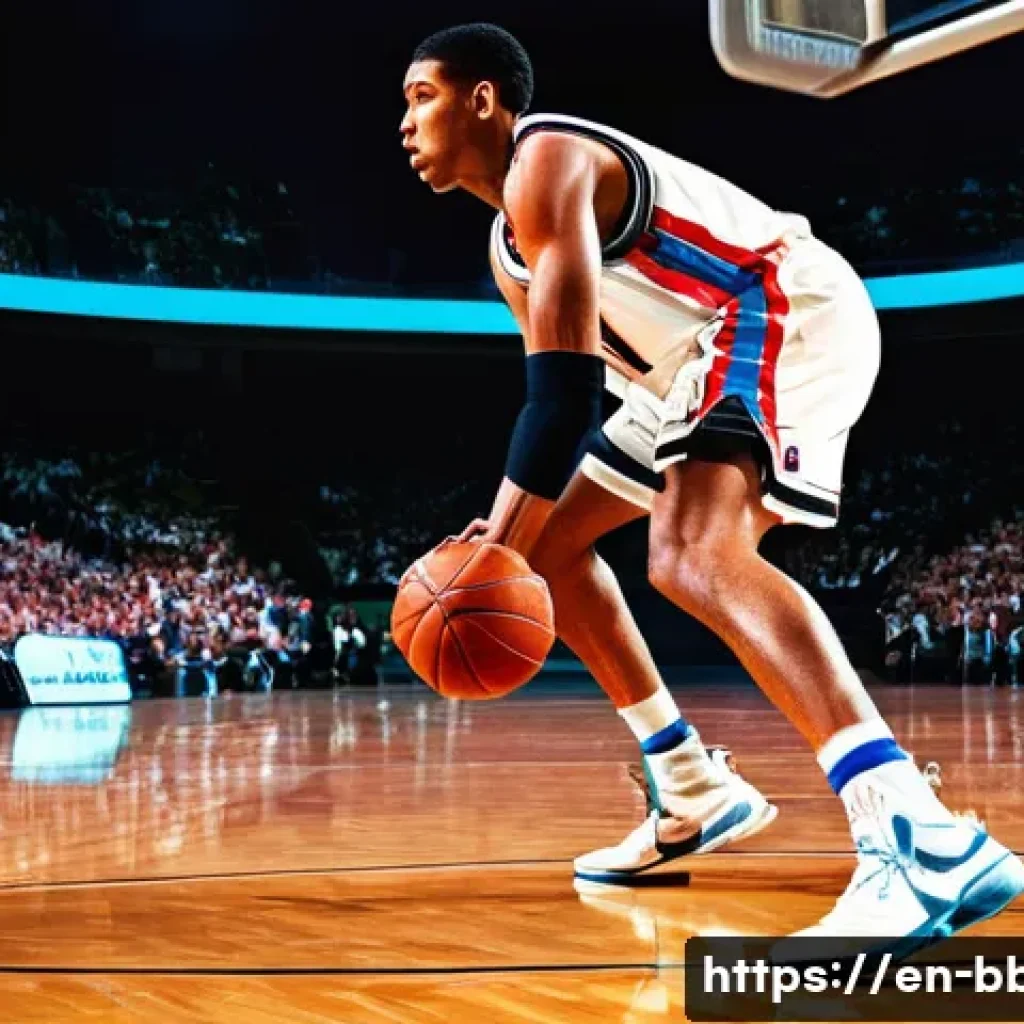
Hey there, fellow hoops enthusiasts! We all marvel at the incredible athleticism and skill on the basketball court, but have you ever truly stopped to appreciate the intricate dance of positions and how they shape every single play?
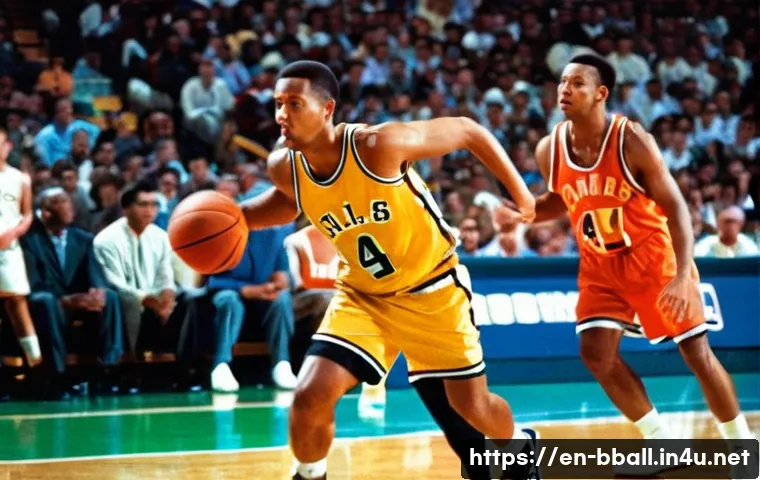
From my own experience, understanding the evolving dynamics of basketball positions, from the classic point guard leading the charge to the increasingly common ‘positionless’ players who can do it all, completely transforms how you watch the game.
The sport is constantly pushing boundaries, with athletes blurring traditional roles and mastering multiple facets of play, making it more thrilling and strategic than ever before.
So, if you’re ready to unlock a deeper appreciation for the beautiful game we all love and truly grasp what makes a team click, let’s dive into the fascinating world of basketball positions and uncover their secrets.
The Evolution of the Court General: Point Guards Then and Now
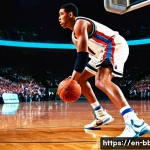
Stepping onto the court, the point guard has always been the heartbeat of any basketball team, the person with the ball in their hands orchestrating the offense. When I first started really diving deep into watching basketball, I was always captivated by how a great point guard could seemingly control the flow of the entire game. It’s not just about passing; it’s about vision, anticipating plays before they happen, and having that innate feel for the rhythm of the game. I remember watching Magic Johnson highlights and just being in awe of his court awareness, making passes I didn’t even see coming. Fast forward to today, and while those core principles remain, the position has truly transformed. What was once primarily a distributor’s role has expanded dramatically, demanding players who can do so much more than just pass. The expectations on these athletes are through the roof, and frankly, it’s thrilling to witness.
The Classic Playmaker’s Role
Historically, the point guard was your quintessential playmaker. Their primary objective was to facilitate the offense, setting up teammates for easy buckets, and running the team’s plays. Think of legends like John Stockton or Isiah Thomas; their assist numbers were staggering because their game was built around creating for others. They had incredible ball-handling skills, sure, but their shot was often secondary. They were the coaches on the floor, calling out sets, and making sure everyone was in the right place at the right time. From my own experience trying to run point in local pickup games (and often failing spectacularly!), I realized just how much mental processing power goes into that role. It’s not just physical; it’s a strategic chess match every possession. The pressure to make the right decision, especially in a tight game, is immense.
Modern Point Guards: Scoring and Distributing Dynamos
Today, the point guard position has evolved into a much more dynamic role. While passing and playmaking are still crucial, modern point guards are also expected to be elite scorers. Players like Stephen Curry or Damian Lillard aren’t just distributing; they’re pulling up from 30 feet, driving to the basket, and creating their own shots with incredible efficiency. This shift has really changed the game’s offensive landscape. It means defenses can’t just sag off them; they have to guard them from the moment they cross half-court. I remember watching a game where a point guard hit a game-winning shot from way beyond the arc, and it just hammered home how much the position has changed. It’s no longer just about getting assists; it’s about being a complete offensive threat who can dominate a game in multiple ways, a true triple-threat capable of scoring, passing, and rebounding when needed. This versatility is what makes watching them so incredibly exciting.
Sharpshooters and Swiss Army Knives: The Versatility of Shooting Guards and Small Forwards
When you talk about players who can change the momentum of a game in an instant, my mind immediately jumps to shooting guards and small forwards. These are the guys who often provide that offensive spark, whether it’s draining a clutch three-pointer or slashing through the defense for an acrobatic finish. Over the years, I’ve noticed that while their roles traditionally had distinct boundaries, the modern game has really blurred those lines, demanding a broader skill set from both. The pure sharpshooter is still a valuable asset, no doubt, but now they often need to be more than just a spot-up shooter. It’s like they’ve added a whole new set of tools to their arsenal, making them incredibly versatile and hard to guard. It’s this adaptation that makes them so exciting to watch, as they constantly find new ways to impact the game beyond their traditional duties.
Beyond the Arc: Shooting Guard Prowess
The shooting guard position has always been synonymous with scoring, particularly from long range. Historically, players like Ray Allen or Reggie Miller epitomized this role, moving off screens, getting open, and knocking down shots with incredible precision. Their primary job was to put points on the board, and they did it brilliantly. However, what I’ve observed in recent years is an expansion of this role. Today’s shooting guards, while still needing to be excellent shooters, are also often tasked with secondary ball-handling, creating their own shots off the dribble, and even initiating offense. Players like James Harden, for example, transformed the position into a primary ball-handler and scorer, completely redefining what was expected. It’s no longer just about being a sniper; it’s about being a dynamic offensive weapon who can score in a multitude of ways, keeping defenses on their toes and constantly guessing their next move.
Small Forwards: Bridging the Gap
Small forwards are often described as the most versatile players on the court, capable of playing multiple roles and filling various needs for their team. In my personal opinion, they’re the true “Swiss Army knives” of basketball. They possess a unique blend of size, athleticism, and skill that allows them to score, rebound, and defend at a high level. Think of Michael Jordan or LeBron James – they weren’t just great at one thing; they excelled in every facet of the game. They could drive, shoot, post up, and play stingy defense. This position has always been about adaptability, and that’s only increased with the evolution of the game. Modern small forwards are expected to guard multiple positions, handle the ball in transition, and contribute significantly to both scoring and playmaking. This adaptability makes them incredibly valuable, and often, the linchpin of a successful team, truly showcasing their all-around talent.
The Engine Room: Power Forwards Adapting to the Modern Game
When you think about the grit and grind of basketball, the power forward often comes to mind. This position has traditionally been about physicality, rebounding, and battling in the post. I always admired the sheer determination of players like Charles Barkley or Karl Malone, who would just dominate the paint with their strength and relentless effort. They were the muscle, the guys who got the tough rebounds and scored those crucial second-chance points. But if there’s one position that has undergone a radical transformation in the modern NBA, it’s arguably the power forward. The days of simply parking yourself in the low post are largely over. The game has sped up, stretched out, and demanded a whole new skill set from these frontcourt players. It’s fascinating to see how they’ve adapted, adding new dimensions to their game and becoming more versatile than ever before. This evolution is a testament to the changing nature of basketball itself, where players are no longer confined to rigid roles.
Dominating the Paint and Beyond
Historically, power forwards were the enforcers, the rebounders, and the interior scorers. Their game was primarily played close to the basket, leveraging their strength and size to score over smaller defenders and gobble up offensive and defensive boards. They were essential for setting screens, providing strong post-ups, and generally doing the dirty work that helped control the tempo of a game. I remember countless games where the power forward’s presence under the basket determined the outcome, securing extra possessions or denying easy scores. This fundamental aspect of their role, while perhaps less glamorous, remains incredibly important. However, the expectations now extend far beyond just the paint. They’re often seen as key components in the defensive scheme, capable of switching onto perimeter players and disrupting passing lanes with their length.
The Stretch Four Revolution
The most significant shift for the power forward has been the emergence of the “stretch four.” This refers to a power forward who has developed a reliable outside shot, particularly from three-point range, effectively “stretching” the defense away from the basket. Players like Dirk Nowitzki pioneered this movement, fundamentally changing how defenses had to guard the position. No longer could opponents pack the paint; they had to respect the power forward’s ability to shoot from deep, which opened up driving lanes for guards and more space for centers. From my perspective, this change has made the game infinitely more dynamic and aesthetically pleasing. It requires power forwards to be much more skilled offensively, not just physically imposing. They’re now integral to floor spacing and offensive flow, making them a crucial piece in today’s high-octane offenses. It’s a joy to watch how they’ve adapted, showing off skills that would have been unimaginable for their predecessors.
Anchors and Protectors: The Enduring Importance of Centers
The center position has always been the anchor of a basketball team, the towering figure in the middle of the defense and often a significant presence on offense. For me, growing up watching basketball, the center was synonymous with rim protection, rebounding dominance, and powerful post moves. Legends like Shaquille O’Neal or Hakeem Olajuwon embodied this role, making their presence felt on every single possession. They were the last line of defense, deterring shots, and often the focal point of the offense, demanding double teams in the paint. While the game has definitely evolved, and some might argue the traditional center is a dying breed, I firmly believe their importance, albeit in an adapted form, remains absolutely critical. Their ability to control the paint, both offensively and defensively, is a foundation upon which successful teams are built, even in today’s fast-paced, three-point heavy league. It’s a role that requires a unique blend of size, skill, and strategic intelligence.
The Traditional Big Man
In its purest form, the traditional center was the team’s interior force. They were expected to score efficiently in the post, grab every rebound, and protect the rim with unwavering authority. Their size and strength were their greatest assets, allowing them to dominate smaller opponents and alter the trajectory of opposing shots. Setting bone-jarring screens, battling for position under the basket, and being the primary shot-blocker were all part of the job description. I always loved watching centers who understood how to use their body effectively, creating space and getting to their spots with deliberate power. They were the defensive lynchpin, dictating opponents’ drives and forcing tough shots. This kind of physical dominance is still incredibly valuable, as it creates a ripple effect, making it easier for perimeter defenders to stay aggressive knowing they have a safety net behind them.
The Evolving Center: Rim Protector to Playmaker
While the core responsibilities of rebounding and rim protection persist, the modern center has added new dimensions to their game, becoming much more versatile. We’re now seeing centers who are not only formidable defenders but also skilled passers and even capable ball-handlers, sometimes bringing the ball up the court! Nikola Jokic is a prime example of this evolution, showcasing incredible court vision and passing prowess from the center position, effectively acting as a primary playmaker. This shift requires centers to have a much higher basketball IQ and a broader range of offensive skills. From my observation, this makes the position even more exciting. It’s no longer just about brute force; it’s about finesse, vision, and adapting to a more fluid, fast-paced offensive scheme. They’re expected to be able to switch onto smaller guards defensively and even knock down mid-range jumpers or occasional threes, making them truly impactful on all ends of the floor.
Breaking the Mold: The Rise of Positionless Basketball
One of the most fascinating developments in basketball over the last decade, and something that genuinely excites me as a fan, is the rise of “positionless” basketball. It’s a concept that really challenges the old, rigid definitions of who plays what role. Gone are the days when you could neatly categorize every player as a point guard, shooting guard, small forward, power forward, or center. Now, it’s more about skill sets and versatility than a fixed position. Players are increasingly being asked to perform multiple roles, often within the same game or even the same possession. This shift has fundamentally changed how coaches strategize and how teams are constructed. It’s less about fitting players into boxes and more about maximizing individual talents and creating fluid, adaptable lineups. From my perspective, this makes the game more dynamic, unpredictable, and ultimately, more entertaining to watch. It’s a beautiful mess of talent and strategy!
The Blurring of Lines
What exactly does “positionless” mean? Well, it essentially refers to players who possess the skills to play multiple traditional positions effectively. A forward might have the ball-handling and passing skills of a guard, while a guard might have the rebounding and defensive versatility of a forward. Draymond Green is a fantastic example of this; he often plays power forward but acts as a primary playmaker and a defensive anchor capable of guarding all five positions. This blurring of lines forces defenses to constantly adjust and often creates mismatches. I’ve noticed that teams that embrace this philosophy often have an advantage because their players can seamlessly switch roles, making them incredibly difficult to defend. It requires a higher basketball IQ from every player on the court, as they need to understand not just their own role but also the roles of their teammates, allowing for fluid offensive and defensive schemes.
Advantages of Versatility
The benefits of positionless basketball are numerous and profound. First and foremost, it creates incredible flexibility for coaches. They can trot out lineups that are smaller and faster, or bigger and more physical, all while maintaining offensive potency and defensive integrity. It also enhances offensive creativity, as players can initiate offense from different spots on the floor, making it harder for opponents to predict plays. Furthermore, having versatile players often means better defensive switching, as players can guard multiple positions without creating a significant mismatch. I’ve seen teams with true positionless players dismantle opponents simply by constantly changing defensive assignments and offensive initiators. It also fosters a deeper understanding of the game among players, as they are forced to learn and execute a wider range of skills and responsibilities. This adaptability is truly a game-changer, pushing the sport into exciting new territory.
Unlocking Team Chemistry Through Positional Understanding
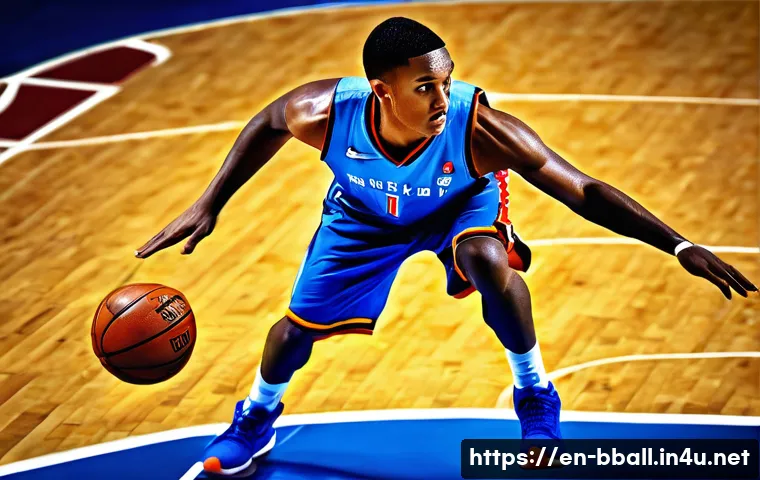
Understanding the evolving dynamics of basketball positions isn’t just an academic exercise; it’s absolutely crucial for unlocking genuine team chemistry and maximizing potential. When I talk about team chemistry, I’m not just talking about players getting along off the court; I mean that almost telepathic understanding on the court, where everyone knows what the other is going to do before they even do it. This deep understanding of each player’s role, their strengths, and how their position interacts with others is the bedrock of a cohesive and successful team. From my own experience, both playing and intensely watching, it’s clear that even with the most talented individuals, if they don’t understand how to complement each other’s roles, the team will struggle. It’s like putting together a puzzle; every piece, every position, has to fit just right to complete the picture. This synergy is what separates good teams from great teams, creating a flow state where everything just clicks.
Synergy on the Hardwood
True synergy in basketball comes from players understanding their primary and secondary responsibilities, and how those roles intertwine with their teammates’. A point guard needs to know when to push the pace and when to slow it down, considering what the big men are doing down low. A shooting guard needs to understand not just when to shoot, but when to cut, or when to draw a defender to open up a lane for a driving forward. This requires constant communication, both verbal and non-verbal, and a willingness to sacrifice individual glory for the collective good. I’ve witnessed teams where the players just “get” each other, where every pass is crisp, every screen is perfectly timed, and every defensive rotation is seamless. It’s a beautiful thing to behold and a direct result of players truly understanding the intricacies of their own position and how it impacts the others. It’s the difference between five individuals playing basketball and a true basketball team.
My Personal Revelation
Watching the NBA evolve from more rigid positional play to the current fluid, positionless style has been a huge personal revelation for me in terms of understanding team dynamics. Initially, I found myself trying to force players into traditional roles in my mind, which sometimes made it harder to appreciate their full impact. But as I started to grasp the nuances of modern basketball, I realized that understanding a player’s *skill set* and how it serves the team’s overall strategy is far more important than their traditional label. It’s like a lightbulb went off! This deeper appreciation has not only made me a more informed fan but also given me a new lens through which to view team building and strategy. It truly emphasizes that while individual talent is important, it’s the collective understanding and execution of interconnected roles that paves the way for sustained success on the court. Every time I watch a game now, I see the intricate dance of these evolving positions, and it just adds another layer of enjoyment to the beautiful game.
| Traditional Position | Key Traditional Role | Modern Interpretation / Skill Evolution |
|---|---|---|
| Point Guard (PG) | Primary Ball-Handler, Playmaker, Distributor | Primary Scorer, Elite Shooter, All-around Offensive Threat, High Volume Scorer |
| Shooting Guard (SG) | Off-Ball Scorer, Three-Point Specialist | Secondary Playmaker, On-Ball Creator, Defensive Specialist, Versatile Scorer |
| Small Forward (SF) | Versatile Scorer, Rebounder, Defender | Primary Ball-Handler, “Point Forward”, Multi-Positional Defender, Offensive Hub |
| Power Forward (PF) | Interior Scorer, Rebounder, Post Defender | “Stretch Four” (Three-Point Shooter), Perimeter Defender, Playmaking Big, Pick-and-Roll Threat |
| Center (C) | Rim Protector, Post Scorer, Rebounder | Playmaking Big, Perimeter Defender (Switchable), Three-Point Shooter, Interior Anchor |
The Thrill of Adaptation: Why This Evolution Matters
Observing the continuous adaptation within basketball positions isn’t just an interesting academic exercise; it’s what keeps the sport alive, vibrant, and utterly thrilling. I honestly believe that this constant evolution is a massive part of why basketball continues to captivate millions around the globe. It’s not stagnant; it’s a living, breathing entity that consistently reinvents itself. Every season brings new strategies, new player archetypes, and new ways of thinking about how a team should operate. From my personal vantage point as a passionate fan, this dynamism is incredibly engaging. It means there’s always something fresh to analyze, a new talent to marvel at, or an innovative coaching strategy to ponder. It prevents the game from becoming predictable and keeps us all on the edge of our seats, wondering what new boundaries will be pushed next. This constant state of flux makes every single game feel like a peek into the future of sports.
Beyond the Box Score: The Intangibles of Positional Play
While we often focus on statistics and flashy plays, the true beauty of positional evolution lies in the intangibles it brings to the game. It’s about the subtle shifts in defensive schemes, the unexpected offensive reads, and the creative ways players find to impact the game even without the ball in their hands. A power forward who can draw a defender out to the three-point line, for instance, doesn’t get an assist for the open lane it creates for a teammate, but their impact is undeniable. A center who excels at passing from the post might not get a traditional assist on every play, but they are initiating the offense and creating opportunities. I’ve come to appreciate these “hidden” contributions so much more as I’ve delved deeper into understanding positional nuances. It reminds me that basketball is a game of constant adjustments, where every player’s movement and decision, regardless of whether it shows up in the box score, can dramatically influence the outcome of a possession. It’s these unheralded moments that make the game truly special and rich with strategic depth.
The Future is Fluid: Embracing the Unknown
Looking ahead, I can’t help but feel incredibly excited about the future of basketball positions. If the past few decades are any indication, the evolution won’t stop here. We’ll likely see even more specialized roles emerge, along with players who continue to defy categorization. Perhaps we’ll see even more true “six-tool” players who can legitimately play and defend all five positions at an elite level. The physical and mental demands on athletes will only continue to grow, pushing them to expand their skill sets even further. This constant push for innovation, both from players and coaches, is what makes basketball such a captivating spectacle. From my unique perspective, being able to witness and analyze these changes firsthand is a huge privilege. It’s a testament to the sport’s inherent ability to adapt, grow, and surprise us, ensuring that there will always be new reasons to fall in love with the game all over again, season after season. The beauty is in the unknown, and I’m here for every single thrilling moment of it!
Wrapping Up
As we’ve journeyed through the fascinating evolution of basketball positions, it’s clear that the game we love is a constantly evolving masterpiece. For me, watching these changes unfold has been an absolute blast, transforming how I perceive every dribble, pass, and shot. It’s truly more than just a sport; it’s a dynamic puzzle where players and coaches continuously innovate, challenging old norms and redefining what’s possible on the hardwood. This ongoing adaptation, pushing the boundaries of athleticism and strategy, is precisely what makes basketball so endlessly captivating. It’s a reminder that embracing change isn’t just a good idea; it’s the very heartbeat of progress and excitement in sports, keeping us all glued to the action and eagerly anticipating the next big shift. I genuinely feel a deeper connection to the game now, understanding the intricate dance of these versatile athletes.
Helpful Tips to Keep in Mind
When you’re watching the game, try to focus less on rigid labels and more on the fluid skill sets each player brings to the court. It’s a complete game-changer when you start seeing a power forward initiating offense or a center draining threes, as it shows just how much the traditional roles have expanded. Appreciating this versatility will honestly make every game so much more exciting for you.
Always pay close attention to how coaches adapt their strategies based on the diverse talents of their roster. Modern coaching is all about leveraging player strengths, even if it means putting a ‘small forward’ at point guard for a few possessions. Noticing these tactical adjustments adds an incredible layer of depth to your viewing experience and truly highlights the strategic genius behind winning teams.
Don’t just look at the box score; try to observe the ‘intangibles’ that versatile players bring. A point guard who sets a crushing screen, or a small forward who makes the extra pass to a wide-open shooter, contributes massively even if it doesn’t show up in the stats. These unheralded moments are the glue that holds a successful team together, and once you start spotting them, you’ll appreciate the game on a whole new level.
Engage with other basketball enthusiasts and analysts to broaden your understanding of these positional shifts. Hearing different perspectives on player roles and team compositions can offer fresh insights and challenge your own assumptions. I’ve found that these discussions not only deepen my appreciation but also introduce me to aspects of the game I might have otherwise overlooked, truly enriching my fan experience.
Lastly, remember that the game is constantly evolving. What’s considered a groundbreaking strategy today might be commonplace tomorrow. Stay curious, stay open to new ideas, and enjoy the journey of watching basketball continue to redefine itself. It’s a fantastic ride, and being a part of its ongoing story is one of the most rewarding aspects of being a devoted fan.
Key Takeaways
The essence of modern basketball lies in its incredible fluidity and the expanding skill sets of its players. We’ve moved far beyond static positions, embracing a dynamic, versatile approach where adaptability is king. What I’ve personally taken away from this journey is a profound appreciation for the continuous evolution of the sport. Every player’s role is now a blend of traditional duties and newly acquired skills, making the game more unpredictable and thrilling than ever. This shift not only challenges athletes to be more well-rounded but also demands a more nuanced understanding from us, the fans, encouraging us to look beyond labels and truly appreciate the comprehensive talents on display. It’s a testament to the sport’s enduring power to reinvent itself and keep us all on the edge of our seats, season after season.
Frequently Asked Questions (FAQ) 📖
Q: Alright, so for someone who’s just getting into basketball, or maybe hasn’t followed it super closely, what are the traditional positions, and what’s the lowdown on what each player typically does?
A: Oh, this is such a great question to start with! When I first fell in love with basketball, understanding the core five positions felt like unlocking a secret language.
Traditionally, you’ve got your Point Guard, Shooting Guard, Small Forward, Power Forward, and Center. Think of the Point Guard as the team’s quarterback; they’re usually the best ball-handler and passer, responsible for bringing the ball up the court and setting up the offense.
They’re the floor general, truly! Then you have the Shooting Guard, who, as the name suggests, is often the team’s primary scorer from outside, the sharpshooter.
The Small Forward is usually a versatile scorer who can shoot, drive to the basket, and sometimes even post up. They’re often the go-to scorer in a clutch situation.
The Power Forward and Center are your “bigs.” The Power Forward typically plays closer to the basket, focusing on rebounding, interior defense, and scoring close to the rim.
And finally, the Center is usually the tallest player, anchoring the defense, blocking shots, grabbing rebounds, and scoring in the paint. From my own years of watching and playing, when these five roles work in harmony, it’s a beautiful thing to witness – like a well-rehearsed symphony on the hardwood!
Q: I keep hearing coaches and analysts talk about “positionless basketball” these days. It sounds fancy, but what exactly does that mean, and is it really changing the game as much as everyone says?
A: You’ve hit on one of the most exciting shifts in modern basketball, and let me tell you, it’s absolutely for real! “Positionless basketball” isn’t about throwing out positions entirely; it’s about players having the skills and versatility to fluidly play multiple traditional roles on the court.
Gone are the days when a center only stayed in the paint, or a point guard only passed. Now, you see players like LeBron James, who can bring the ball up, post up, hit a three-pointer, and defend four positions.
Or look at Nikola Jokic – a center who often runs the offense like a point guard, dishing out incredible passes. From my personal perspective, this evolution has made the game so much more dynamic and unpredictable.
It creates incredible mismatches and forces defenses to constantly adapt, making for a more exciting viewing experience. It’s like every player is a Swiss Army knife, ready to pull out whatever tool the team needs at that very moment.
It really does open up offenses and makes for some truly breathtaking plays!
Q: With all this talk about players doing everything and positions blurring, does that mean the traditional basketball positions are becoming irrelevant or even obsolete? Should I even bother learning them anymore?
A: That’s a super common question, and honestly, it’s one I’ve pondered myself as the game has evolved so much! And my take? Absolutely not!
While the roles of players have undeniably become more fluid and versatile, the foundational principles behind the traditional positions are still incredibly relevant.
Think of it less as traditional positions being obsolete and more like players are now expected to have an expanded skill set that allows them to fulfill multiple aspects of those traditional roles.
You still need someone to initiate the offense (the point guard’s essence), someone to be a primary scoring threat (shooting guard/small forward), and someone to protect the rim and grab boards (power forward/center’s core duties).
It’s just that the same player might be doing all of those things in different possessions! I like to think of it this way: a chef still needs to know how to sauté, bake, and grill, but a truly great chef might also be amazing at creating a whole new fusion dish.
So yes, definitely learn the traditional positions – they’re the building blocks! But also appreciate how incredible these athletes are at breaking those molds and creating something new and exciting every time they step on the court.
It makes the game infinitely more engaging, doesn’t it?