The Secret Language of Basketball Referees What Every Player Needs to Know

webmaster

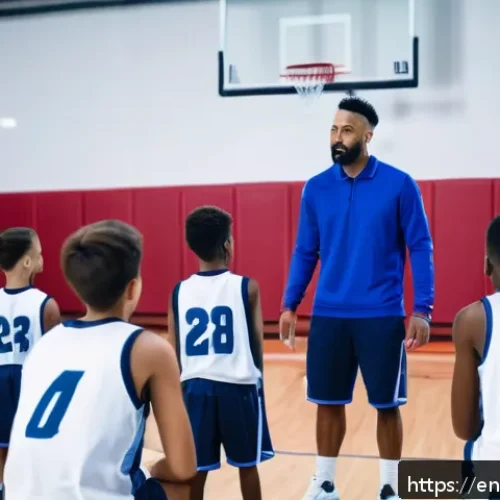
농구 경기 중 심판과의 소통법 - **"The Referee's Multitasking Challenge"**
    A high-angle, dynamic shot from behind a focused male...

Hey there, fellow basketball enthusiasts! We’ve all faced those moments where a ref’s call leaves us scratching our heads, or worse, bubbling with frustration.

It’s easy to let emotions take over, but what if I told you that mastering communication with officials could genuinely elevate your entire game? From my own experience playing and watching countless matches, I’ve discovered that a strategic approach to talking to the refs isn’t just about getting your way; it’s about mutual respect, clarity, and often, improving the flow of the game for everyone involved.

Ready to transform those heated exchanges into productive dialogues and genuinely improve your on-court presence? We’re about to uncover exactly how.

Grasping the Game from the Official’s Vantage Point

농구 경기 중 심판과의 소통법 - **"The Referee's Multitasking Challenge"**
    A high-angle, dynamic shot from behind a focused male...

Stepping Into Their Sneakers

You know, for years, I used to think of refs as these emotionless rule-enforcing robots, always seemingly against my team or me. It wasn’t until I actually spent some time officiating lower-level games myself that my entire perspective shifted. I quickly realized just how incredibly tough their job is. Imagine trying to track ten players moving at lightning speed, watching for minuscule infractions, all while a crowd is roaring, coaches are yelling, and players are constantly trying to gain an edge. It’s a whirlwind! They’re not out there to get you; they’re trying to maintain order and fairness under immense pressure. They miss calls, sure, we all do, but their intention is almost always to uphold the integrity of the game. Understanding this fundamental truth – that they are human and doing their best – was a game-changer for how I approached any interaction. It instantly dialed down my internal frustration and opened the door for more constructive conversations. When you approach them with this understanding, it changes your demeanor, and believe me, they notice that shift. It’s not about agreeing with every call, but about acknowledging the difficulty of their position.

The Pressure Cooker Environment They Operate In

Think about it: every single decision a referee makes is scrutinized by coaches, players, and fans, often in real-time and sometimes in slow motion replays they don’t even have access to. They’re constantly making split-second judgments in a chaotic environment. A slight bump, a subtle hand check, a foot just out of bounds – these are things they have to spot instantly while keeping track of the ball, the shot clock, and foul counts. They are also managing emotions, both theirs and everyone else’s on the court. I’ve seen refs deal with everything from mild protests to outright verbal abuse, and yet, they’re expected to remain impartial and calm. This immense pressure can definitely affect their temperament, just like it would anyone. When you consider the sheer volume of decisions they make in a game, and the very human tendency to err occasionally, it becomes clear that a little empathy goes a long way. If you can remember that they’re under the gun, just like players are in clutch moments, you can approach them with a lot more grace and a much better chance of being heard.

Mastering the Art of Constructive Dialogue

Choosing Your Words Thoughtfully

This is where things get really interesting. It’s one thing to understand a ref’s perspective, but another entirely to communicate effectively when a call doesn’t go your way. My biggest takeaway over the years? Your tone and choice of words are absolutely everything. I’ve seen players sprint up to a ref, yelling, “Are you serious?!” and instantly get shut down, or worse, slapped with a technical foul. Contrast that with a player who calmly walks over during a dead ball, makes eye contact, and asks, “Ref, could you explain what you saw there? I thought I had him clean.” The difference in outcome is night and day. The latter approach opens a dialogue. It shows respect, even if you disagree. You’re inviting them to share their perspective, not accusing them of incompetence. I’ve personally found that phrases like “Can you help me understand?” or “What should I look for next time?” are incredibly powerful. They shift the dynamic from confrontation to collaboration, which is exactly what you want if you’re hoping to influence future calls, or at least gain clarity. Remember, they’re more likely to listen to someone who speaks to them as a professional, not a punching bag.

Engaging in Active Listening, Even in Disagreement

Okay, so you’ve approached them calmly and asked your question. Now comes the hard part for many: actually listening to their answer. It’s so easy to tune them out, already formulating your rebuttal in your head, especially when you’re convinced you’re right. But resisting that urge is crucial. Even if you don’t agree with their explanation, giving them the courtesy of listening intently shows respect and a willingness to understand. I’ve had moments where a ref explained a nuanced rule or a specific angle they had that I couldn’t see, and while I still might have felt the call was tough, I understood *why* they made it. Sometimes, just having your concern acknowledged, even without the call being reversed (which rarely happens), can diffuse the situation. It’s not about winning every argument; it’s about maintaining a line of communication. Plus, when you show you’re listening, they’re far more likely to listen to you the next time you have a genuine question. This reciprocal respect builds over time and truly makes a difference in how you’re perceived on the court, ultimately benefiting your game.

Advertisement

Perfecting Your Timing: When and How to Engage

Identifying the Optimal Moment for Clarification

Timing isn’t just critical in basketball plays; it’s absolutely paramount when you’re interacting with officials. Bursting into a heated discussion during live play or when they’re actively engaged in watching the game is a surefire way to get ignored, or worse, penalized. From my playing days, I learned quickly that the best opportunities arise during dead ball situations – free throws, timeouts, or stoppages in play for substitutions. These are the moments when the ref isn’t preoccupied with the immediate action and can actually dedicate their attention to your query. Approaching them as they walk toward the scorer’s table or during a brief lull offers them a chance to collect their thoughts and engage with you without disrupting the flow of the game. It’s about being smart and strategic. Think of it like a chess match: you’re looking for the opening, not just blindly rushing in. A well-timed, respectful question can be heard; a poorly timed, aggressive complaint will likely fall on deaf ears or earn you a technical. Patience here is a true virtue, one that can pay dividends throughout the game by fostering a more positive environment.

The Captain’s Role in Leading the Conversation

This is a big one for team dynamics. While every player might have their grievances, it’s generally best practice to designate a team captain or a seasoned veteran to be the primary communicator with the officials. This approach centralizes communication and prevents multiple players from bombarding a ref from different directions, which can quickly become overwhelming and irritating for the official. When I was captain, it felt like a significant responsibility, but also an empowering one. It meant I had to be the calm, rational voice for the team, even when my teammates were fuming. Referees often appreciate this structure; they know who to talk to, and they often give more credence to a single, consistent voice. This doesn’t mean other players can’t ever speak, but it sets a clear protocol. If the captain handles most of the inquiries, it builds a specific rapport between the ref and that individual, which can be invaluable over the course of a game or even a season. It projects an image of discipline and professionalism from your team, making officials more receptive to your legitimate concerns.

Effective Communication Tactic Impact on Referee Benefit for Player/Team
Calm, measured tone More receptive, less defensive Likelihood of being heard and understood increases
Asking clarifying questions (“Can you explain?”) Feels respected, helps them articulate call Gain insight, potentially influence future calls
Approaching during dead ball situations Less disruptive, better focus Ref is more likely to engage meaningfully
Designating a single team representative (captain) Reduces chaos, shows team discipline Consistent communication, builds rapport
Acknowledging tough calls/their perspective Builds mutual respect, humanizes interaction Fosters a more positive overall game environment

Beyond Words: The Subtle Power of Non-Verbal Cues

Your Body Language Speaks Volumes

We often focus so much on what we say, but in the heat of a game, what you don’t say can sometimes be even more impactful. Your body language communicates a tremendous amount to officials, often before you even open your mouth. I’ve noticed a huge difference in how refs respond when I’ve approached them with open hands and a calm posture versus when I’ve thrown my hands up in exasperation or stormed over with a scowl. An aggressive stance, eye-rolling, or dismissive gestures immediately puts them on the defensive. They see it as disrespect, and honestly, who can blame them? On the flip side, a calm, attentive posture – even just making eye contact and nodding while they explain something – conveys that you are listening and respecting their authority, even if you’re questioning a specific call. I’ve personally found that a slight shrug with a questioning look can sometimes be more effective than a verbal complaint, as it invites a brief explanation rather than provoking a confrontation. It’s about projecting an image of calm professionalism, which in turn encourages the official to treat you with similar respect. It’s a subtle dance, but one that players can master to their advantage.

The Simple Power of a Nod and Eye Contact

It sounds almost too simple to be true, but sometimes, the most effective communication happens without a single spoken word. Making genuine eye contact, especially during a dead ball, signals that you’re engaging with them as a person, not just as a uniform. And a simple nod, even if you’re not fully agreeing with their explanation, acknowledges that you’ve heard them. These tiny gestures can defuse tension incredibly quickly. I’ve been in games where emotions were running high, and just making eye contact with a ref and giving a slight, understanding nod after a contentious foul call seemed to calm the entire situation down, not just for me but for my teammates too. It humanizes the interaction. It says, “I hear you, even if I’m not thrilled.” This non-verbal acknowledgment can build a foundation of trust and respect over the course of a game, making officials more approachable and potentially more lenient in future marginal calls. It’s about building a human connection, however brief, which is so often overlooked in the intensity of competition.

Advertisement

Avoiding Common Pitfalls: What Not to Do

The Trap of Aggression and Constant Whining

Alright, let’s get real for a moment. We’ve all been there: a questionable call, the blood rushes to your head, and before you know it, you’re yelling at the top of your lungs or gesticulating wildly. This, my friends, is the absolute fastest way to get completely ignored, or worse, penalized. Officials are human; they react negatively to aggression and constant complaining, just like anyone would. I’ve seen countless teammates (and admit it, sometimes even myself in my younger days!) completely ruin their relationship with a ref by being overly aggressive or whining after every single call. It creates a reputation, and once you’re labeled as a “complainer,” it’s incredibly hard to shake. Every time you open your mouth, they’re already bracing for another tirade. This doesn’t just hurt your individual game; it can negatively impact your team. Officials are far less likely to give the benefit of the doubt to a team whose players are constantly badgering them. It’s a lose-lose situation that drains your energy, distracts you from the game, and alienates the very people you need to communicate with.

Ignoring the Subtle Warning Signs

Officials often give subtle (and sometimes not-so-subtle) warnings before they reach for their whistle for a technical foul. It might be a stern look, a brief “That’s enough,” or a hand gesture telling you to back off. Ignoring these warning signs is like driving through a stop sign and expecting no consequences. I’ve learned, often the hard way, that when a ref tells you to “Let it go,” they mean it. Pushing that boundary, trying to get in one last word, or continuing to argue after a warning is a surefire way to escalate the situation from a minor disagreement to a technical foul, or even an ejection. It shows a lack of respect for their authority and their attempt to manage the game. Recognizing and respecting these boundaries is crucial. It’s about emotional intelligence on the court. Understanding when you’ve made your point, or when you need to simply walk away, can save you and your team from unnecessary penalties. Sometimes, silence, and walking away, is the most powerful form of communication, signaling that you understand the boundary, even if you don’t love the call.

Fostering Enduring Rapport Over the Long Haul

Consistency in Professionalism and Demeanor

Building a genuinely positive relationship with officials isn’t something that happens in a single game; it’s an ongoing process that requires consistent effort. Just like you build trust with teammates or coaches, you build a rapport with referees through consistent professionalism. If you’re the player who consistently communicates respectfully, accepts tough calls gracefully, and generally maintains a positive demeanor, officials will remember that. I’ve noticed this phenomenon countless times in my playing career. When I stepped onto the court and saw a familiar ref, there was often a palpable difference in the early interactions. They were more open to quick questions, sometimes even offering a brief explanation before I even asked. This isn’t about favoritism; it’s about mutual respect. They know you’re not going to be a problem, and you’ve established a baseline of trust. This consistency means that on those rare occasions when you *do* have a legitimate, significant grievance, they are far more likely to genuinely listen and consider your perspective, because they know it’s coming from a place of genuine concern, not habitual complaining.

It’s a Marathon, Not a Sprint

Thinking about referee interactions as a long-term investment rather than a series of isolated incidents is a crucial mindset shift. You’re not just playing this one game; you’re building a reputation that precedes you. Every interaction, good or bad, contributes to that overall perception. What I’ve found incredibly impactful is acknowledging a good call from a ref, or even just offering a polite “Thanks, ref” for their presence at the start of a game. These small gestures, over time, accumulate into a significant positive balance. It’s like putting deposits into a bank account. When you need to make a withdrawal (i.e., ask a tough question or disagree with a call), you have that goodwill to draw upon. It’s about playing the long game. This perspective helps you stay calm even after frustrating calls, knowing that maintaining your composure is contributing to a larger, more beneficial outcome for yourself and your team in the long run. It’s about understanding that basketball, and interactions within it, are dynamic and ongoing, where every moment has the potential to build or break connections.

Advertisement

The Wider Impact on Your Team and the Flow of the Game

Setting the Tone for Your Entire Squad

What many players don’t fully grasp is that their interactions with officials don’t just affect them personally; they cast a long shadow over the entire team. If you, as a key player, are constantly bickering, yelling, or showing obvious disdain for the referees, that negativity is infectious. Your teammates see it, and they’ll often follow suit, creating a cascade of bad attitudes that can infuriate officials and disrupt team chemistry. Conversely, if you lead by example, maintaining a calm, respectful, and professional demeanor, it sets a much more positive tone. I’ve been on teams where the captain or star player was a master at communicating with refs, and you could feel the difference. The officials seemed more relaxed, the game flowed better, and marginal calls sometimes felt like they went our way more often. It empowers your teammates to focus on playing the game rather than fighting with the officials, which is a huge mental advantage. Your approach literally dictates the atmosphere on the court, and a positive atmosphere often leads to a more enjoyable and successful game for everyone involved, especially your team.

Creating a Smoother, More Enjoyable Game for All

Ultimately, when players and officials can communicate effectively and respectfully, the game itself benefits immensely. Think about it: fewer stoppages for technical fouls, less time wasted on arguments, and a general sense of mutual understanding. This leads to a smoother, faster-paced, and ultimately more enjoyable game for players, coaches, and even the fans. My best games, the ones I remember most fondly, weren’t just about winning; they were about a seamless flow where players and officials were largely on the same page, allowing the athleticism and skill to shine. When the tension between players and refs is minimal, everyone can focus on what they’re there to do: play and officiate basketball. This isn’t just an idealistic vision; it’s a tangible outcome of good communication. It makes the game more fun, reduces frustration, and allows everyone to perform at their best. So, when you choose to approach a ref with respect and a desire for understanding, you’re not just helping yourself; you’re contributing to a better basketball experience for the entire community.

Grasping the Game from the Official’s Vantage Point

Stepping Into Their Sneakers

You know, for years, I used to think of refs as these emotionless rule-enforcing robots, always seemingly against my team or me. It wasn’t until I actually spent some time officiating lower-level games myself that my entire perspective shifted. I quickly realized just how incredibly tough their job is. Imagine trying to track ten players moving at lightning speed, watching for minuscule infractions, all while a crowd is roaring, coaches are yelling, and players are constantly trying to gain an edge. It’s a whirlwind! They’re not out there to get you; they’re trying to maintain order and fairness under immense pressure. They miss calls, sure, we all do, but their intention is almost always to uphold the integrity of the game. Understanding this fundamental truth – that they are human and doing their best – was a game-changer for how I approached any interaction. It instantly dialed down my internal frustration and opened the door for more constructive conversations. When you approach them with this understanding, it changes your demeanor, and believe me, they notice that shift. It’s not about agreeing with every call, but about acknowledging the difficulty of their position.

The Pressure Cooker Environment They Operate In

Think about it: every single decision a referee makes is scrutinized by coaches, players, and fans, often in real-time and sometimes in slow motion replays they don’t even have access to. They’re constantly making split-second judgments in a chaotic environment. A slight bump, a subtle hand check, a foot just out of bounds – these are things they have to spot instantly while keeping track of the ball, the shot clock, and foul counts. They are also managing emotions, both theirs and everyone else’s on the court. I’ve seen refs deal with everything from mild protests to outright verbal abuse, and yet, they’re expected to remain impartial and calm. This immense pressure can definitely affect their temperament, just like it would anyone. When you consider the sheer volume of decisions they make in a game, and the very human tendency to err occasionally, it becomes clear that a little empathy goes a long way. If you can remember that they’re under the gun, just like players are in clutch moments, you can approach them with a lot more grace and a much better chance of being heard.

Advertisement

Mastering the Art of Constructive Dialogue

Choosing Your Words Thoughtfully

농구 경기 중 심판과의 소통법 - **"Constructive Court Dialogue"**
    A medium close-up shot of a male basketball player and a femal...

This is where things get really interesting. It’s one thing to understand a ref’s perspective, but another entirely to communicate effectively when a call doesn’t go your way. My biggest takeaway over the years? Your tone and choice of words are absolutely everything. I’ve seen players sprint up to a ref, yelling, “Are you serious?!” and instantly get shut down, or worse, slapped with a technical foul. Contrast that with a player who calmly walks over during a dead ball, makes eye contact, and asks, “Ref, could you explain what you saw there? I thought I had him clean.” The difference in outcome is night and day. The latter approach opens a dialogue. It shows respect, even if you disagree. You’re inviting them to share their perspective, not accusing them of incompetence. I’ve personally found that phrases like “Can you help me understand?” or “What should I look for next time?” are incredibly powerful. They shift the dynamic from confrontation to collaboration, which is exactly what you want if you’re hoping to influence future calls, or at least gain clarity. Remember, they’re more likely to listen to someone who speaks to them as a professional, not a punching bag.

Engaging in Active Listening, Even in Disagreement

Okay, so you’ve approached them calmly and asked your question. Now comes the hard part for many: actually listening to their answer. It’s so easy to tune them out, already formulating your rebuttal in your head, especially when you’re convinced you’re right. But resisting that urge is crucial. Even if you don’t agree with their explanation, giving them the courtesy of listening intently shows respect and a willingness to understand. I’ve had moments where a ref explained a nuanced rule or a specific angle they had that I couldn’t see, and while I still might have felt the call was tough, I understood *why* they made it. Sometimes, just having your concern acknowledged, even without the call being reversed (which rarely happens), can diffuse the situation. It’s not about winning every argument; it’s about maintaining a line of communication. Plus, when you show you’re listening, they’re far more likely to listen to you the next time you have a genuine question. This reciprocal respect builds over time and truly makes a difference in how you’re perceived on the court, ultimately benefiting your game.

Perfecting Your Timing: When and How to Engage

Identifying the Optimal Moment for Clarification

Timing isn’t just critical in basketball plays; it’s absolutely paramount when you’re interacting with officials. Bursting into a heated discussion during live play or when they’re actively engaged in watching the game is a surefire way to get ignored, or worse, penalized. From my playing days, I learned quickly that the best opportunities arise during dead ball situations – free throws, timeouts, or stoppages in play for substitutions. These are the moments when the ref isn’t preoccupied with the immediate action and can actually dedicate their attention to your query. Approaching them as they walk toward the scorer’s table or during a brief lull offers them a chance to collect their thoughts and engage with you without disrupting the flow of the game. It’s about being smart and strategic. Think of it like a chess match: you’re looking for the opening, not just blindly rushing in. A well-timed, respectful question can be heard; a poorly timed, aggressive complaint will likely fall on deaf ears or earn you a technical. Patience here is a true virtue, one that can pay dividends throughout the game by fostering a more positive environment.

The Captain’s Role in Leading the Conversation

This is a big one for team dynamics. While every player might have their grievances, it’s generally best practice to designate a team captain or a seasoned veteran to be the primary communicator with the officials. This approach centralizes communication and prevents multiple players from bombarding a ref from different directions, which can quickly become overwhelming and irritating for the official. When I was captain, it felt like a significant responsibility, but also an empowering one. It meant I had to be the calm, rational voice for the team, even when my teammates were fuming. Referees often appreciate this structure; they know who to talk to, and they often give more credence to a single, consistent voice. This doesn’t mean other players can’t ever speak, but it sets a clear protocol. If the captain handles most of the inquiries, it builds a specific rapport between the ref and that individual, which can be invaluable over the course of a game or even a season. It projects an image of discipline and professionalism from your team, making officials more receptive to your legitimate concerns.

Effective Communication Tactic Impact on Referee Benefit for Player/Team
Calm, measured tone More receptive, less defensive Likelihood of being heard and understood increases
Asking clarifying questions (“Can you explain?”) Feels respected, helps them articulate call Gain insight, potentially influence future calls
Approaching during dead ball situations Less disruptive, better focus Ref is more likely to engage meaningfully
Designating a single team representative (captain) Reduces chaos, shows team discipline Consistent communication, builds rapport
Acknowledging tough calls/their perspective Builds mutual respect, humanizes interaction Fosters a more positive overall game environment
Advertisement

Beyond Words: The Subtle Power of Non-Verbal Cues

Your Body Language Speaks Volumes

We often focus so much on what we say, but in the heat of a game, what you don’t say can sometimes be even more impactful. Your body language communicates a tremendous amount to officials, often before you even open your mouth. I’ve noticed a huge difference in how refs respond when I’ve approached them with open hands and a calm posture versus when I’ve thrown my hands up in exasperation or stormed over with a scowl. An aggressive stance, eye-rolling, or dismissive gestures immediately puts them on the defensive. They see it as disrespect, and honestly, who can blame them? On the flip side, a calm, attentive posture – even just making eye contact and nodding while they explain something – conveys that you are listening and respecting their authority, even if you’re questioning a specific call. I’ve personally found that a slight shrug with a questioning look can sometimes be more effective than a verbal complaint, as it invites a brief explanation rather than provoking a confrontation. It’s about projecting an image of calm professionalism, which in turn encourages the official to treat you with similar respect. It’s a subtle dance, but one that players can master to their advantage.

The Simple Power of a Nod and Eye Contact

It sounds almost too simple to be true, but sometimes, the most effective communication happens without a single spoken word. Making genuine eye contact, especially during a dead ball, signals that you’re engaging with them as a person, not just as a uniform. And a simple nod, even if you’re not fully agreeing with their explanation, acknowledges that you’ve heard them. These tiny gestures can defuse tension incredibly quickly. I’ve been in games where emotions were running high, and just making eye contact with a ref and giving a slight, understanding nod after a contentious foul call seemed to calm the entire situation down, not just for me but for my teammates too. It humanizes the interaction. It says, “I hear you, even if I’m not thrilled.” This non-verbal acknowledgment can build a foundation of trust and respect over the course of a game, making officials more approachable and potentially more lenient in future marginal calls. It’s about building a human connection, however brief, which is so often overlooked in the intensity of competition.

Avoiding Common Pitfalls: What Not to Do

The Trap of Aggression and Constant Whining

Alright, let’s get real for a moment. We’ve all been there: a questionable call, the blood rushes to your head, and before you know it, you’re yelling at the top of your lungs or gesticulating wildly. This, my friends, is the absolute fastest way to get completely ignored, or worse, penalized. Officials are human; they react negatively to aggression and constant complaining, just like anyone would. I’ve seen countless teammates (and admit it, sometimes even myself in my younger days!) completely ruin their relationship with a ref by being overly aggressive or whining after every single call. It creates a reputation, and once you’re labeled as a “complainer,” it’s incredibly hard to shake. Every time you open your mouth, they’re already bracing for another tirade. This doesn’t just hurt your individual game; it can negatively impact your team. Officials are far less likely to give the benefit of the doubt to a team whose players are constantly badgering them. It’s a lose-lose situation that drains your energy, distracts you from the game, and alienates the very people you need to communicate with.

Ignoring the Subtle Warning Signs

Officials often give subtle (and sometimes not-so-subtle) warnings before they reach for their whistle for a technical foul. It might be a stern look, a brief “That’s enough,” or a hand gesture telling you to back off. Ignoring these warning signs is like driving through a stop sign and expecting no consequences. I’ve learned, often the hard way, that when a ref tells you to “Let it go,” they mean it. Pushing that boundary, trying to get in one last word, or continuing to argue after a warning is a surefire way to escalate the situation from a minor disagreement to a technical foul, or even an ejection. It shows a lack of respect for their authority and their attempt to manage the game. Recognizing and respecting these boundaries is crucial. It’s about emotional intelligence on the court. Understanding when you’ve made your point, or when you need to simply walk away, can save you and your team from unnecessary penalties. Sometimes, silence, and walking away, is the most powerful form of communication, signaling that you understand the boundary, even if you don’t love the call.

Advertisement

Fostering Enduring Rapport Over the Long Haul

Consistency in Professionalism and Demeanor

Building a genuinely positive relationship with officials isn’t something that happens in a single game; it’s an ongoing process that requires consistent effort. Just like you build trust with teammates or coaches, you build a rapport with referees through consistent professionalism. If you’re the player who consistently communicates respectfully, accepts tough calls gracefully, and generally maintains a positive demeanor, officials will remember that. I’ve noticed this phenomenon countless times in my playing career. When I stepped onto the court and saw a familiar ref, there was often a palpable difference in the early interactions. They were more open to quick questions, sometimes even offering a brief explanation before I even asked. This isn’t about favoritism; it’s about mutual respect. They know you’re not going to be a problem, and you’ve established a baseline of trust. This consistency means that on those rare occasions when you *do* have a legitimate, significant grievance, they are far more likely to genuinely listen and consider your perspective, because they know it’s coming from a place of genuine concern, not habitual complaining.

It’s a Marathon, Not a Sprint

Thinking about referee interactions as a long-term investment rather than a series of isolated incidents is a crucial mindset shift. You’re not just playing this one game; you’re building a reputation that precedes you. Every interaction, good or bad, contributes to that overall perception. What I’ve found incredibly impactful is acknowledging a good call from a ref, or even just offering a polite “Thanks, ref” for their presence at the start of a game. These small gestures, over time, accumulate into a significant positive balance. It’s like putting deposits into a bank account. When you need to make a withdrawal (i.e., ask a tough question or disagree with a call), you have that goodwill to draw upon. It’s about playing the long game. This perspective helps you stay calm even after frustrating calls, knowing that maintaining your composure is contributing to a larger, more beneficial outcome for yourself and your team in the long run. It’s about understanding that basketball, and interactions within it, are dynamic and ongoing, where every moment has the potential to build or break connections.

The Wider Impact on Your Team and the Flow of the Game

Setting the Tone for Your Entire Squad

What many players don’t fully grasp is that their interactions with officials don’t just affect them personally; they cast a long shadow over the entire team. If you, as a key player, are constantly bickering, yelling, or showing obvious disdain for the referees, that negativity is infectious. Your teammates see it, and they’ll often follow suit, creating a cascade of bad attitudes that can infuriate officials and disrupt team chemistry. Conversely, if you lead by example, maintaining a calm, respectful, and professional demeanor, it sets a much more positive tone. I’ve been on teams where the captain or star player was a master at communicating with refs, and you could feel the difference. The officials seemed more relaxed, the game flowed better, and marginal calls sometimes felt like they went our way more often. It empowers your teammates to focus on playing the game rather than fighting with the officials, which is a huge mental advantage. Your approach literally dictates the atmosphere on the court, and a positive atmosphere often leads to a more enjoyable and successful game for everyone involved, especially your team.

Creating a Smoother, More Enjoyable Game for All

Ultimately, when players and officials can communicate effectively and respectfully, the game itself benefits immensely. Think about it: fewer stoppages for technical fouls, less time wasted on arguments, and a general sense of mutual understanding. This leads to a smoother, faster-paced, and ultimately more enjoyable game for players, coaches, and even the fans. My best games, the ones I remember most fondly, weren’t just about winning; they were about a seamless flow where players and officials were largely on the same page, allowing the athleticism and skill to shine. When the tension between players and refs is minimal, everyone can focus on what they’re there to do: play and officiate basketball. This isn’t just an idealistic vision; it’s a tangible outcome of good communication. It makes the game more fun, reduces frustration, and allows everyone to perform at their best. So, when you choose to approach a ref with respect and a desire for understanding, you’re not just helping yourself; you’re contributing to a better basketball experience for the entire community.

Advertisement

글을 마치며

Whew, we’ve covered a lot, haven’t we? It’s easy to get caught up in the heat of the moment during a game, but stepping back and really thinking about how we interact with officials can make a world of difference. My hope is that these insights, forged through years of playing and observing, give you a fresh perspective. Remember, these unsung heroes of the court are trying their best to ensure fair play, and a little empathy and smart communication go a long, long way. It’s not just about getting the call you want; it’s about fostering an environment where everyone can perform their best and truly enjoy the beautiful game we all love. Keep these tips in your back pocket, and I promise you’ll see a positive shift in your on-court experience.

알아두면 쓸모 있는 정보

Here are some quick-hitter nuggets I’ve picked up over the years that I think you’ll find incredibly useful for leveling up your game beyond just your jump shot!

1.

Pre-Game Chat is Underrated

If you get a chance before tip-off, a quick, polite “Good evening, Ref, thanks for being here” can seriously set a positive tone. It’s a small gesture, but it shows respect and acknowledges their presence. I’ve found that these little interactions before the game even starts can create a subtle, subconscious rapport that can sometimes make officials a tiny bit more receptive to your queries later on. It humanizes the uniform and makes them see you as a respectful competitor from the get-go, rather than just another face on the court. Try it; you might be surprised at the difference it makes in how you’re perceived throughout the game, and how it reduces the initial tension. It truly is a simple yet powerful way to build goodwill right from the jump ball, paving the way for smoother interactions later when the stakes are higher and emotions are running hot.

2.

Body Language During Free Throws

Even when you’re not directly communicating, your body language is always speaking. During free throws, for example, instead of standing with your hands on your hips or scowling, try to maintain a neutral or even slightly positive posture. This subtle non-verbal cue extends the respectful demeanor to moments of lower intensity, reinforcing the impression that you’re a player who respects the game and its officials. It’s a prime example of how you can consistently project professionalism without saying a word, which contributes to that long-term rapport we talked about. This small adjustment can really impact how officials perceive your overall attitude and can prevent any accidental misinterpretations of frustration.

3.

Acknowledge Good Officiating

It’s easy to point out a missed call, but how often do we acknowledge when officials make a tough, correct call, or when they manage a chaotic situation effectively? I’m not saying you need to cheer for them, but a quiet “Good call, Ref” after a particularly well-officiated play, or a nod of appreciation, can really resonate. This demonstrates that you’re not just looking to criticize, but that you genuinely understand the difficulty of their job and appreciate when it’s done well. This positive reinforcement, though rare, sticks in their minds and builds a bank of goodwill that’s invaluable over the season. It shows you’re a fair-minded competitor, not just someone with an axe to grind, which truly sets you apart from the crowd.

4.

Understand the Rules, Not Just Your Interpretation

This might sound obvious, but I’ve seen so many players argue calls simply because they don’t fully understand the rulebook. Taking the time to actually read and comprehend the nuances of the game’s rules from an official perspective can save you a lot of grief. Knowing the exact wording of a blocking foul or a travel rule, for instance, allows you to ask more informed, precise questions. “Ref, is that a cylinder foul?” is far more effective than “Come on, that’s a charge!” It shows your expertise and makes your communication more credible, leading to more productive conversations rather than baseless arguments. Your understanding of the rules adds authority to your questions and concerns, making them more likely to be taken seriously by the officials.

5.

The 24-Hour Rule for Frustration

Here’s a personal one: after a game where you feel calls went against you, try to implement a “24-hour rule” for your frustration. Don’t stew over it immediately. Give yourself a full day to process it before replaying every contentious moment in your head. I’ve found that this cooling-off period helps put things into perspective. What felt like a monumental injustice in the heat of the moment often appears less catastrophic the next day. This strategy prevents that lingering negativity from spilling over into your next game or practice, allowing you to approach future interactions with a clear and level head. It’s a mental trick that helps you maintain professionalism and prevent past grievances from affecting future performance and relationships.

Advertisement

중요 사항 정리

To wrap things up, remember that mastering interactions with officials boils down to a few core principles. First and foremost, empathy is your secret weapon. Recognizing that officials are human, under immense pressure, and genuinely striving for fairness will fundamentally alter your approach. Secondly, prioritize constructive, respectful communication. Your tone, word choice, and timing are paramount; always opt for dialogue over confrontation, and choose dead ball situations for your inquiries. Thirdly, never underestimate the power of non-verbal cues – your body language and eye contact speak volumes and can either escalate or de-escalate a situation before a single word is uttered. Finally, think of this as a long-term investment in rapport. Consistent professionalism not only benefits you individually but also sets a positive tone for your entire team, creating a smoother and more enjoyable game for everyone involved. By embracing these strategies, you’re not just navigating the game better; you’re elevating your entire experience on the court, transforming potential conflicts into opportunities for understanding and respect. Trust me, it’s a game-changer!

Frequently Asked Questions (FAQ) 📖

Q: What’s the absolute best way to talk to a ref mid-game without getting a technical foul or making things worse?

A: Oh, I’ve been there! You feel that surge of adrenaline, and a questionable call just lights a fire in your belly. But trust me, the worst thing you can do is react immediately and aggressively.
I’ve seen countless players, and even coaches, get burned by this. The key, in my experience, is to pick your spots and your tone. First, wait for a dead-ball situation – a timeout, a free throw, or a stoppage in play is perfect.
Rushing up to a ref while the game is live or during a fast break? Recipe for disaster. Once you have that moment, approach them calmly.
Literally, put your hands down by your sides, keep your voice at a respectful, conversational level, and avoid pointing or making accusatory “you” statements.
Instead of “Ref, you missed that foul!”, try something like, “Excuse me, ref, could you help me understand what you saw on that last play?” or “What should I have done differently there?” It shows you’re seeking clarity, not just arguing.
I’ve personally found that this approach often gets you an actual explanation, or at least a nod of acknowledgement, rather than a quick tech. They’re human, too, and nobody likes being yelled at.
Remember, your body language speaks volumes before you even open your mouth.

Q: Beyond just getting calls, how does building a positive relationship with referees actually benefit my game and my team?

A: This is where the real magic happens, folks! It’s not just about that one call you think you deserved. I’ve played on teams where the coach and players had a great rapport with officials, and it truly changed the game’s atmosphere.
When you foster mutual respect, you create an environment where everyone can do their job better. For starters, it leads to much smoother game flow. Less arguing means fewer stoppages, which keeps the intensity up and allows everyone to focus on playing basketball.
Secondly, and I’ve noticed this time and again, when officials know you’re respectful, they’re often more receptive to hearing you out when you genuinely have a question or concern.
It doesn’t mean they’ll suddenly start giving you favorable calls, but they might listen more intently, offer a quick clarification, or even admit a mistake (yes, it happens!).
Think about it: if you’re consistently respectful, they’ll remember that. It’s like building trust. From a team perspective, it sets a fantastic example.
Your teammates, especially younger ones, will see you communicating maturely and learn to do the same, which improves overall team composure and focus.
When your focus is on the game, not on battling the refs, your mental energy stays where it belongs: on winning.

Q: Are there specific phrases or actions that are guaranteed to annoy a ref, and what should I absolutely avoid?

A: Absolutely! Just as there are good ways to communicate, there are definite no-gos that will quickly land you in hot water. From my years on the court, here are some things I’ve learned to steer clear of.
Firstly, and this is a big one, never use personal insults or question their integrity. Comments like “Are you blind?” or “Did you bet on the other team?” are instant tech fouls, and frankly, they just ruin the game for everyone.
Also, avoid overly demonstrative body language – throwing your hands up in disgust after every whistle, rolling your eyes dramatically, or loudly muttering complaints to yourself.
Even if you’re not speaking directly to them, they hear and see everything, and it’s perceived as disrespectful. Another surefire way to get on their bad side is to count their missed calls, like “That’s three travels you’ve missed!” They’re not keeping a tally with you, and it comes across as sarcastic and confrontational.
And for goodness sake, avoid prolonged arguments. State your case respectfully, ask your question, and then move on. Dwelling on a call takes you out of the game mentally and can even incite the crowd negatively.
My golden rule? If you wouldn’t say it to your boss, don’t say it to the ref. Keep it professional, keep it calm, and keep the focus on playing great basketball.